
Have you ever hesitated to pursue a dream because you were afraid of failure or worried about what others might think? Whether you are considering a career change, starting a business, or simply choosing a different path, taking the first step can feel overwhelming.
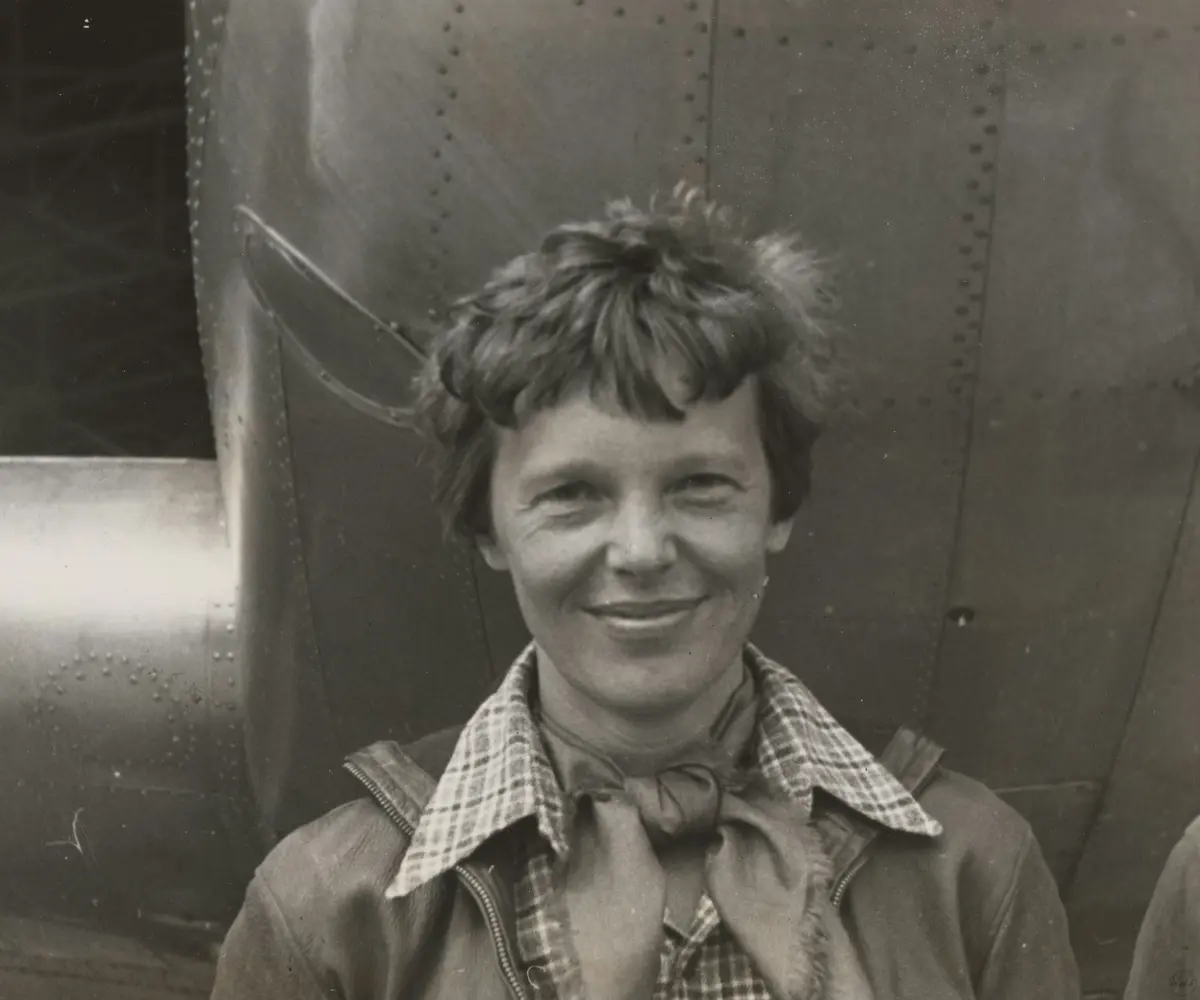
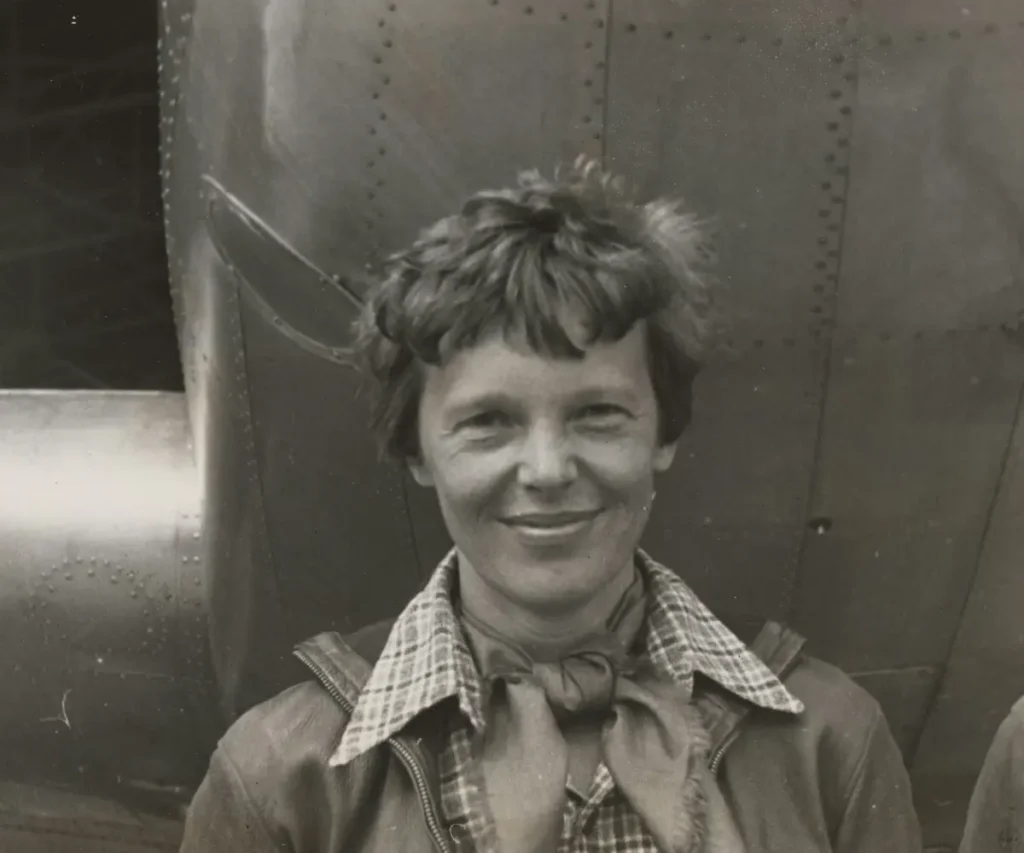
Amelia Earhart understood what it meant to challenge expectations. As a pioneering aviator, she defied traditional gender roles and became a symbol of courage, innovation, and independence. Her story reminds us that breaking boundaries begins with believing that a different future is possible.
Amelia Earhart’s Life at a Glance
- July 24, 1897: Amelia Mary Earhart was born in Atchison, Kansas, USA.
- 1920: She took her first airplane ride, inspiring her passion for aviation.
- 1921: She bought her first airplane, a small yellow Kinner Airster nicknamed The Canary.
- 1923: She received her pilot’s license, becoming one of the early women to achieve this milestone.
- 1928: She became the first woman to cross the Atlantic by airplane as a passenger aboard the Friendship.
- 1929: She helped establish the Ninety-Nines, an international organization supporting women pilots.
- May 20–21, 1932: She became the first woman to fly solo across the Atlantic Ocean.
- 1935: She became the first person to fly solo from Hawaii to mainland United States.
- June 1, 1937: She began her attempt to fly around the world with navigator Fred Noonan.
- July 2, 1937: Earhart and Noonan disappeared over the Pacific Ocean near Howland Island during their around-the-world flight.
- January 5, 1939: She was declared legally dead after an extensive search failed to locate her or her aircraft.
Who Was Amelia Earhart?
Born on July 24, 1897, in Atchison, Kansas, Amelia Earhart grew up when women faced considerable restrictions on their professional ambitions. Rather than accepting conventional expectations, she developed a strong sense of independence and curiosity.
Her passion for aviation emerged in 1920, when she experienced her first airplane ride. The experience inspired her to take flying lessons, despite the financial and social obstacles facing women in the industry.
Earhart worked to finance her training and eventually purchased her own airplane. In 1923, she received her pilot’s license, becoming one of the early women to achieve this milestone.
Her journey shows that personal growth often begins with a single moment of inspiration, followed by consistent effort and a willingness to learn.
Breaking Boundaries Through a Historic Flight
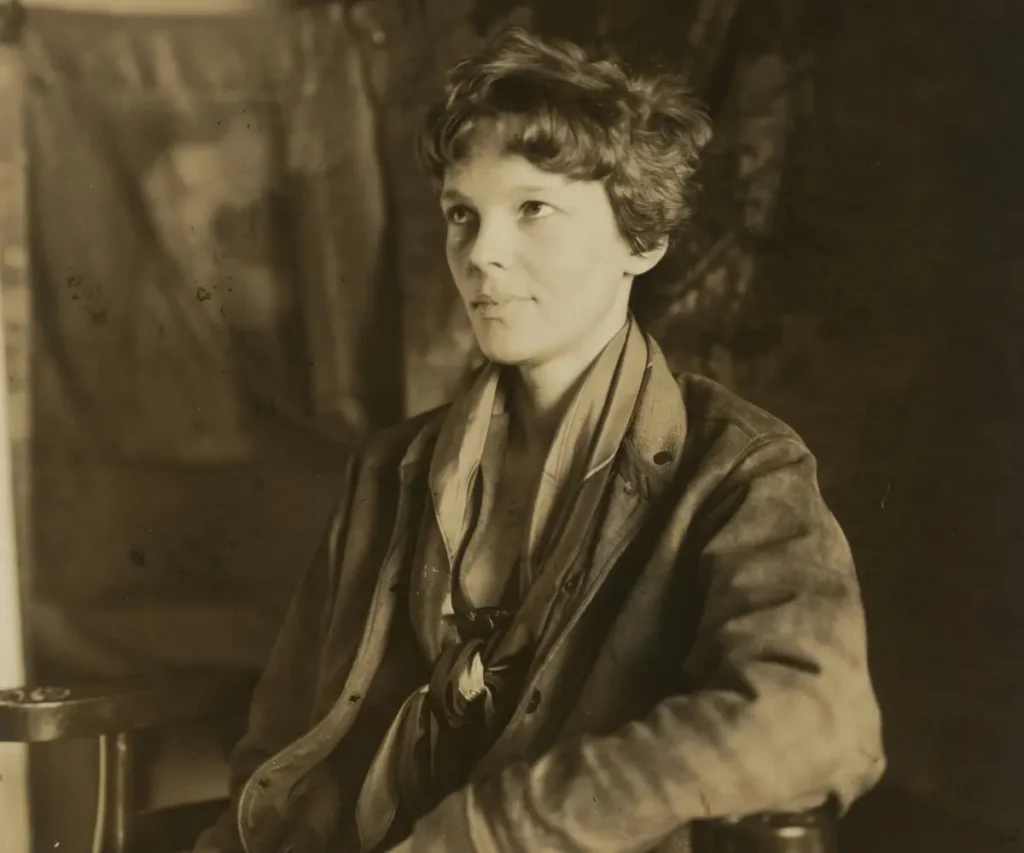
In 1928, Earhart became the first woman to cross the Atlantic by airplane, flying as a passenger alongside pilots Wilmer Stultz and Louis Gordon. Although she did not pilot the aircraft, the achievement brought her international recognition.
Determined to prove her abilities as an aviator, she pursued an even greater challenge.
On May 20 and 21, 1932, Earhart flew solo across the Atlantic, traveling from Newfoundland to Northern Ireland. She became the first woman to complete a solo transatlantic flight, facing difficult weather and mechanical challenges along the way.
Her achievement challenged assumptions about women’s capabilities and expanded opportunities for future generations.
For women today, breaking boundaries might mean negotiating a better salary, returning to education, or pursuing a long-held ambition. The circumstances may differ, but the courage required to challenge expectations remains relevant.

Courage Is More Than Fearlessness
Courage does not mean never feeling afraid. It means acknowledging uncertainty while deciding that something matters enough to try.
Earhart’s success depended on preparation, technical knowledge, persistence, and calculated risk-taking. Her example reminds us that confidence is not always something we possess before beginning. Sometimes, it develops through experience.
In everyday life, courage can look like:
- Speaking up when your perspective is overlooked.
- Setting healthy boundaries in relationships.
- Applying for an opportunity that feels challenging.
- Starting again after a disappointment.
These decisions may not make headlines, but they can profoundly change our lives. Instead of waiting until you feel completely ready, consider what small, practical step could bring you closer to your goal.
Innovation and the Power of Supporting Women
Earhart was more than a record-breaking pilot. She also used her public profile to promote aviation and encourage women to pursue opportunities in traditionally male-dominated fields.
In 1929, she helped establish the Ninety-Nines, an international organization supporting women pilots. The organization created a professional community where women could share knowledge, develop connections, and encourage one another.
Her approach offers an important lesson about innovation. Progress is not always about inventing something entirely new. It can also involve questioning outdated assumptions, improving familiar systems, and creating opportunities for people who have been excluded.
For more historical insight, read the National Women’s History Museum‘s biography of Amelia Earhart, which explores her aviation achievements and advocacy for women’s rights.
In our own lives, we can apply this lesson by sharing knowledge, mentoring colleagues, and celebrating other women’s achievements rather than treating success as a competition.
Why Her Legacy Still Matters Today
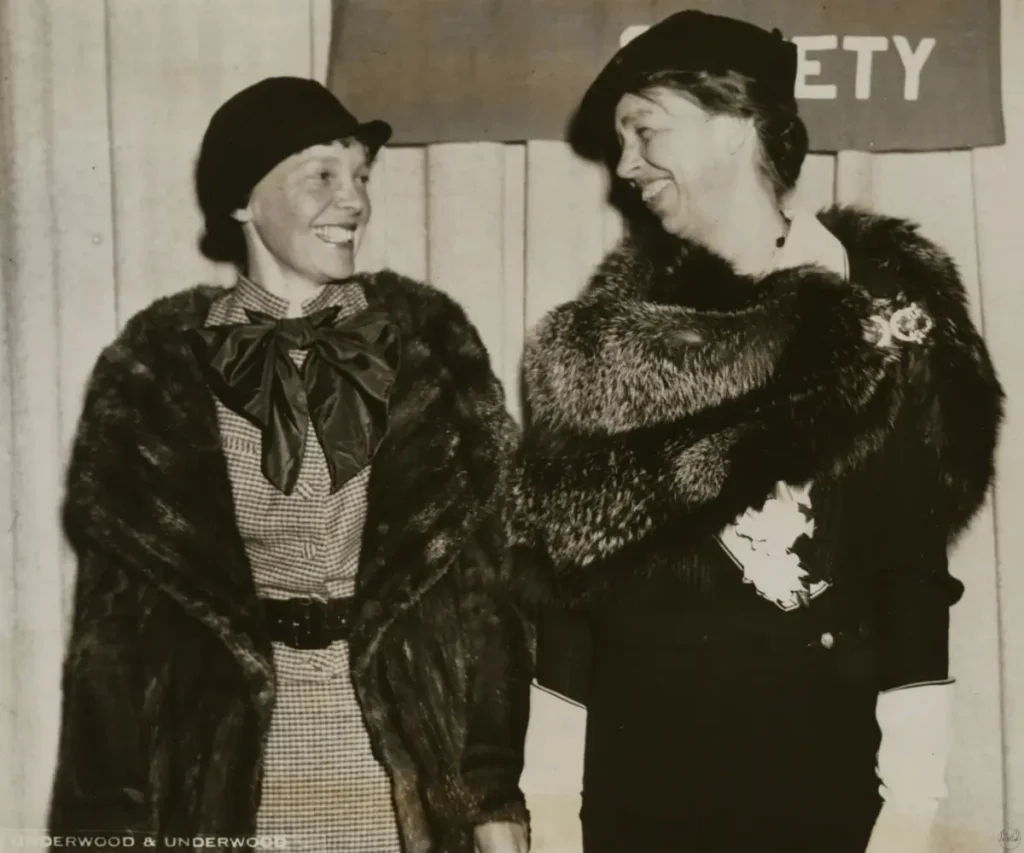
Amelia Earhart remains an inspiring figure because her story speaks to a familiar struggle: balancing personal ambitions with society’s expectations.
Women often navigate competing responsibilities involving careers, relationships, family, and personal well-being. Earhart’s life encourages us to recognize that ambition and femininity are not opposing forces. We can be caring and independent, thoughtful and adventurous, ambitious and compassionate.
Her legacy also demonstrates why representation matters. Seeing women achieve what once seemed impossible can expand our understanding of what we might accomplish ourselves.
The Smithsonian National Air and Space Museum‘s account of Earhart’s flying career offers further insight into her records, aviation journey, and lasting influence.
Turning Inspiration Into Everyday Action
Admiring inspiring women is valuable, but their stories become even more meaningful when we apply their lessons to our own lives.
Start by identifying a goal that genuinely matters to you. It does not need to impress anyone else. Perhaps you want to develop a skill, explore a creative interest, or make more room for yourself in a busy life.
Next, consider these practical steps:
- Define your own success. Focus on your values rather than comparing your progress with others.
- Stay curious. Explore new ideas and remain open to learning.
- Build supportive relationships. Surround yourself with people who respect your ambitions.
- Learn from setbacks. Treat difficulties as opportunities to adjust your approach.
- Protect your well-being. Remember that rest and self-care are essential, not rewards you must earn.
Small actions, repeated consistently, can lead to meaningful change.
Amelia Earhart’s Enduring Message of Empowerment
In 1937, Earhart disappeared while attempting to fly around the world with navigator Fred Noonan. Despite extensive searches, their aircraft was never found, and the circumstances of their disappearance remain unresolved.
Although her final journey ended in mystery, her influence continues to inspire women across generations.
Amelia Earhart’s life reminds us that courage, innovation, and breaking boundaries are not reserved for extraordinary historical figures. They can begin with ordinary women making thoughtful decisions about their futures.
You do not need to know exactly where your journey will lead. Prepare carefully, trust your ability to grow, and take the next step toward something meaningful.
Your dreams deserve space to grow, and you have the right to pursue them.
Bc. Michaela Šmírová