

There is something different about putting on a favorite linen shirt, a soft cotton dress, or a cozy wool sweater. These fabrics often feel comfortable from the first wear, but they can also become even better with time. For women, clothing increasingly needs to offer more than style. Comfort, quality, durability, and sustainability matter too.
That shift is bringing natural fibers back into focus. Linen, hemp, organic cotton, wool, and other plant and animal-based materials are becoming increasingly popular as shoppers become more thoughtful about what they wear and how long they expect it to last.
Why Natural Fibers Are Becoming Popular
The growing interest in natural fibers clothing is part of a wider move toward more intentional consumption. Instead of buying something simply because it is inexpensive or fashionable, many women are asking whether a garment feels good, lasts well, and fits their values.
Natural fibers come from renewable biological sources. Cotton, linen, and hemp come from plants, while wool comes from animals. Their environmental impact varies depending on farming, processing, transportation, care, and disposal, so calling every natural fabric automatically sustainable would be misleading.
Still, natural materials can offer qualities that make them appealing for a long-term wardrobe. They are often breathable, comfortable, durable, and capable of developing character rather than simply wearing out.
Comparing the Most Common Natural Fibers
Different fibers suit different needs, which makes fabric choice more personal than it may first appear.
- Linen: Lightweight, breathable, and particularly comfortable in hot weather. It wrinkles easily but becomes softer and more relaxed over time.
- Cotton: Versatile and familiar, making it ideal for everyday basics, dresses, shirts, and underwear.
- Hemp: Strong, breathable, and durable. Modern hemp fabrics can feel surprisingly soft while retaining their resilience.
- Wool: Naturally insulating and breathable. Fine wool, including Merino, is especially useful for temperature regulation and layering.
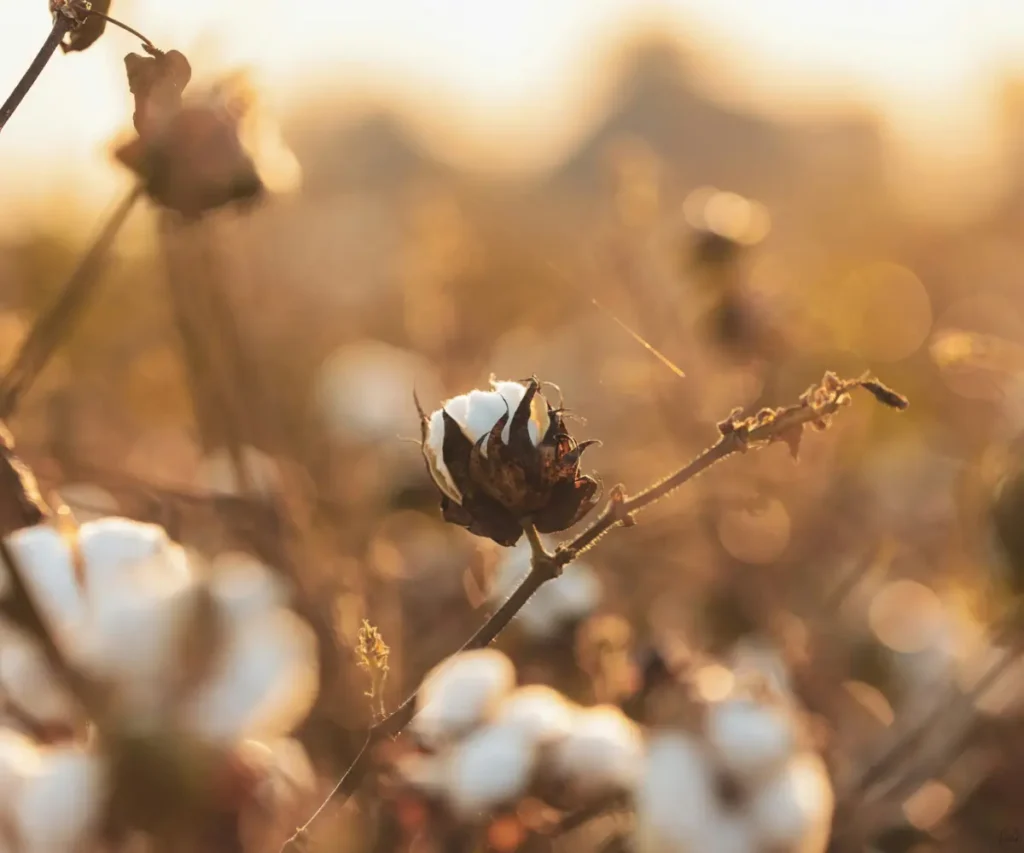
Organic cotton can be an appealing option, but “organic” should not automatically be interpreted as having a minimal environmental footprint. A 2026 Cotton Life Cycle Assessment Study from Textile Exchange shows that environmental impacts vary significantly according to growing region and production practices.
Linen vs Cotton for Everyday Clothing
The linen vs cotton question often comes down to climate, lifestyle, and personal taste.
Linen is particularly effective during hot summer days because its lightweight structure encourages airflow. A loose linen shirt or wide-leg trousers can feel much more comfortable than a dense fabric when temperatures rise.
Cotton is more adaptable. It can be woven into lightweight summer fabrics or heavier materials suitable for cooler months. It is also easy to find, relatively simple to care for, and works across almost every part of a wardrobe.
Rather than choosing one over the other, consider using both. Cotton can form the foundation of your everyday wardrobe, while linen can provide breathable summer staples.
Are Natural Fabrics Better for the Environment?
The answer is more complicated than simply choosing natural over synthetic.
Synthetic materials such as polyester and nylon are generally produced from fossil resources. The European Environment Agency notes that synthetic textiles contribute to greenhouse gas emissions, fossil resource use, and microplastic pollution. Its overview of synthetic textiles and their environmental impact also emphasizes that no single fiber can be judged without considering its entire life cycle.
Natural fibers have environmental costs too. Cotton production can involve water, land, fertilizers, and pesticides, while wool involves livestock and land use. The important question is therefore not simply which fiber is “greenest”, but how the material was produced and how long the finished garment will be used.
For a more sustainable wardrobe, consider:
- Buying fewer pieces that you genuinely expect to wear for years.
- Choosing durable fabrics instead of chasing short-lived trends.
- Looking at the entire fiber composition rather than relying on sustainability labels alone.
Which Fabrics Work Best in Different Climates
Your climate should play a major role in choosing fabrics. The right material can make everyday dressing significantly more comfortable.
Hot and humid: Linen, lightweight hemp, and breathable cotton are strong choices because they allow airflow and feel less restrictive.
Hot and dry: Loose linen and cotton garments work well, particularly when they allow air to circulate around the body.
Cool and changeable: Merino wool is useful for layering because it can help regulate temperature without feeling excessively heavy.
Cold: Wool is one of the most practical natural fibers for warmth. A quality wool coat, sweater, or base layer can provide excellent insulation.
Transitional seasons: Cotton, lightweight wool, linen layers, and fabric blends offer flexibility when temperatures change throughout the day.
How Natural Materials Age Over Time
One of the most appealing aspects of natural materials is how they change with use.
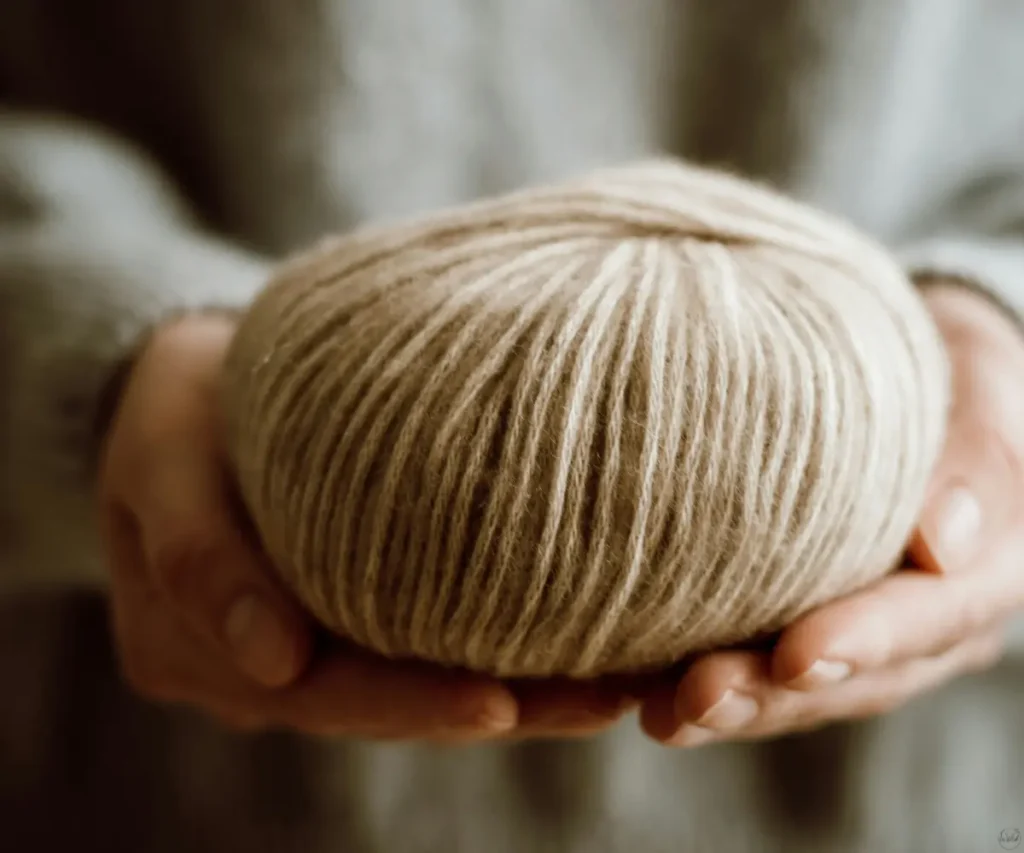
Linen generally becomes softer and more fluid. Cotton can develop a comfortable, lived-in feel. Hemp tends to soften while remaining strong, and wool can maintain its shape and performance when properly cared for.
This is where natural fabrics can feel particularly personal. A favorite shirt may develop small signs of wear, but those changes can become part of what makes the garment yours.
Care matters. Washing clothes less frequently when appropriate, following care instructions, repairing small tears, and storing delicate fabrics correctly can all extend their lifespan.
Building a More Thoughtful Wardrobe
You do not need to replace your entire wardrobe to embrace natural fibers. Start with the garments you wear most often.
Look for a well-made linen shirt, organic cotton basics, a hemp-blend piece, or a quality wool sweater. Pay attention to how each fabric feels against your skin and how it performs in your everyday climate.
Most importantly, choose clothes you genuinely enjoy wearing. Sustainability is not only about the fiber itself. It is also about buying thoughtfully, caring for what you own, and keeping good clothes in use for as long as possible.
The rise of natural fibers is ultimately less about rejecting modern fashion and more about becoming selective about what deserves a place in our wardrobes. When comfort, quality, and longevity come together, getting dressed can feel simpler, more personal, and more considered.
Bc. Michaela Šmírová