There are moments in a woman’s life when she looks in the mirror and wonders who she truly is beneath the expectations, the roles, and the responsibilities. Many women find themselves asking deeper questions about identity and purpose. It is in this space of reflection that the story of Frida Kahlo feels profoundly relevant.
Frida Kahlo was not just a painter. She was a woman who transformed physical pain, emotional turmoil, and cultural complexity into unapologetic passion. Her art was not about perfection. It was about truth. And that truth continues to offer inspiration for women seeking to define their own female identity on their own terms.
Frida Kahlo’s Life at a Glance
- 1907 – Born on July 6 in Coyoacán, Mexico City, Mexico
- 1913 – Contracts polio at age 6, which leaves her right leg thinner and shapes her early resilience
- 1922 – Enrolls at the National Preparatory School in Mexico City, one of the few female students at the time
- 1925 – Suffers a devastating bus accident at age 18, resulting in severe spinal and pelvic injuries that lead to lifelong medical complications and inspire her to begin painting
- 1929 – Marries renowned muralist Diego Rivera, marking the beginning of a passionate and turbulent relationship
- 1938 – Holds her first solo exhibition in New York City, gaining international recognition
- 1939 – Exhibits in Paris; her work is acquired by the The Louvre, making her one of the first Mexican artists in its collection
- 1939 – Divorces Diego Rivera
- 1940 – Remarries Diego Rivera later the same year
- 1943 – Appointed professor at La Esmeralda, the National School of Painting, Sculpture and Engraving in Mexico
- 1953 – Has her first solo exhibition in Mexico; despite serious illness, she attends lying on a bed placed in the gallery
- 1954 – Dies on July 13 at age 47 in her family home, La Casa Azul in Coyoacán
A Life Marked by Pain and Resilience
At 18, Frida survived a devastating bus accident that left her with lifelong injuries and chronic pain. She endured multiple surgeries and long periods of isolation. For many, such suffering might have silenced creativity. For Frida, it ignited it.
Confined to bed, she began painting self portraits using a mirror mounted above her. These early works were not about vanity. They were about survival. She once said, “I paint myself because I am so often alone.” In a world that often expects women to smile through discomfort, her refusal to hide her suffering was radical.
According to the Tate Modern, Kahlo’s work challenges conventional ideas of beauty and femininity by presenting the female body as both vulnerable and powerful. She painted her scars, her tears, and her strength without apology. In doing so, she reframed pain as a source of creative passion.
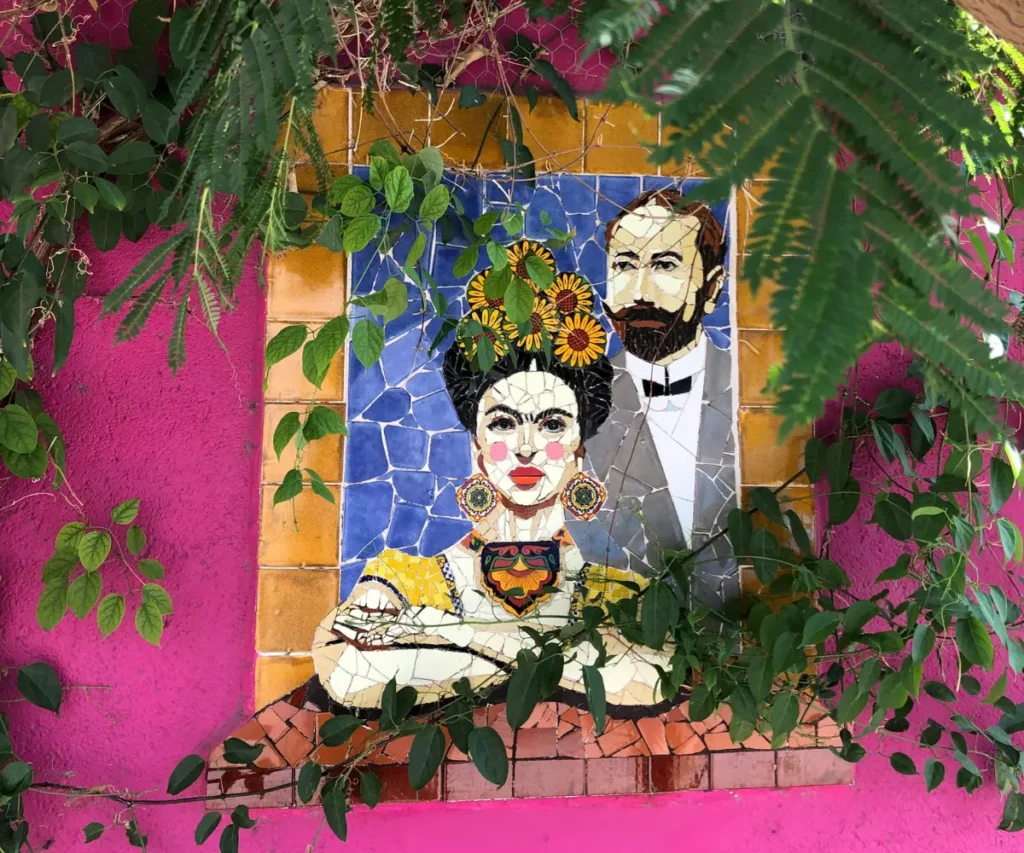
Passion as a Form of Self Expression
When we speak about passion today, it is often linked to career ambition or romantic love. For Frida Kahlo, passion was inseparable from identity. It lived in her bold use of color, her traditional Mexican dress, and her fearless self representation.
Her marriage to Diego Rivera was famously turbulent, filled with deep affection and deep betrayal. Yet even in heartbreak, she continued to paint. Works like The Two Fridas explore duality, love, rejection, and the fragmentation of self. Rather than diminishing her, these emotional experiences deepened her artistic voice.
For women navigating complex relationships or personal setbacks, her life offers a powerful reminder. Passion does not disappear in the face of struggle. It often becomes sharper, more defined. The key is allowing ourselves to channel emotion into something meaningful, whether that is art, a new career direction, or a renewed commitment to self care.
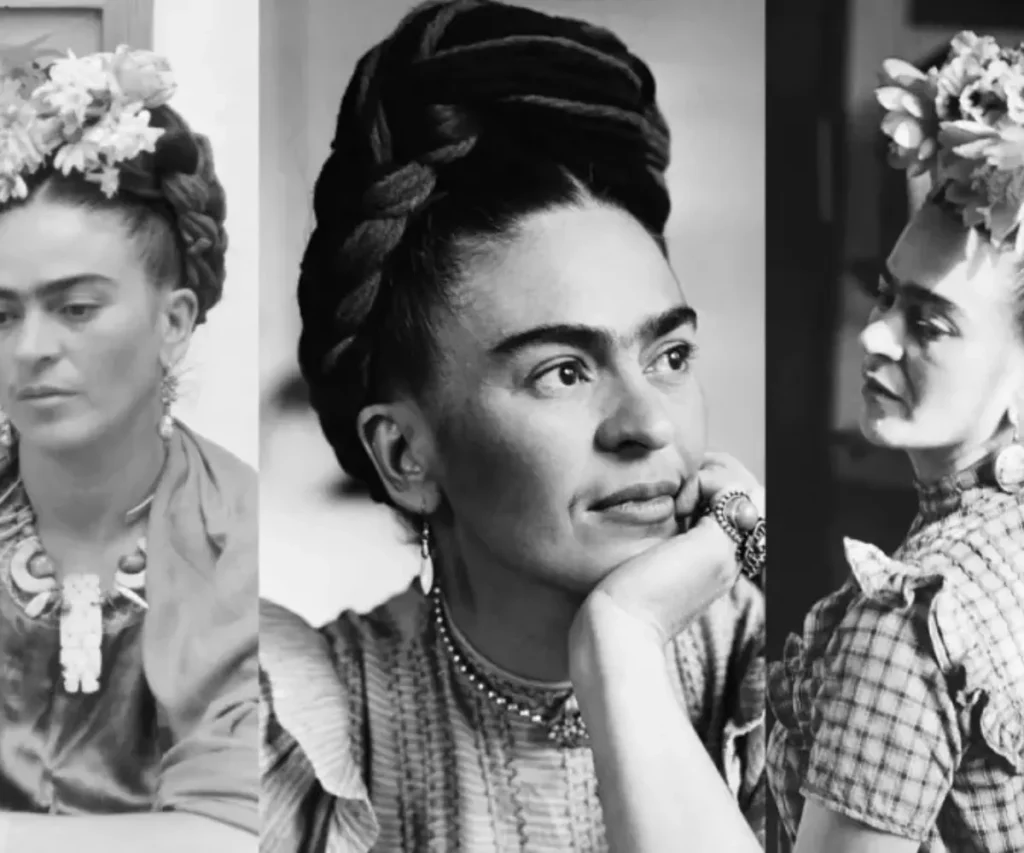
Redefining Female Identity Through Art
In the early twentieth century, female artists were often overshadowed or dismissed. Frida Kahlo refused to be small. Embracing her facial hair, her unibrow, and her traditional Tehuana dresses, she turned them into symbols of cultural pride and individuality. Rather than conforming to Western beauty standards, she openly resisted them. In doing so, she did not just reject those norms. She expanded them.
The Museum of Modern Art notes that Kahlo’s self portraits confront the viewer with a direct gaze that asserts agency and presence. She was not an object to be observed. She was the author of her own narrative.
For women today, especially those balancing professional ambition with personal authenticity, this message resonates deeply. Female identity is not a fixed template. It is an evolving story shaped by heritage, body image, sexuality, ambition, and vulnerability. Frida’s work invites us to ask: Where am I hiding parts of myself to fit in? What would it look like to show up fully?
Cultural Roots and Personal Power
Frida Kahlo’s passion was also political. Living through the Mexican Revolution’s aftermath, she celebrated indigenous culture and resisted colonial influence. Her home, La Casa Azul in Coyoacán, became both sanctuary and statement.
By integrating traditional Mexican symbolism into her paintings, she reclaimed narratives that had been marginalized. This act of cultural affirmation strengthened her female identity and connected her personal story to a broader collective experience.
For modern women, there is inspiration here. Embracing your roots can be a powerful act of self definition. It anchors passion in something deeper than trends or external validation.
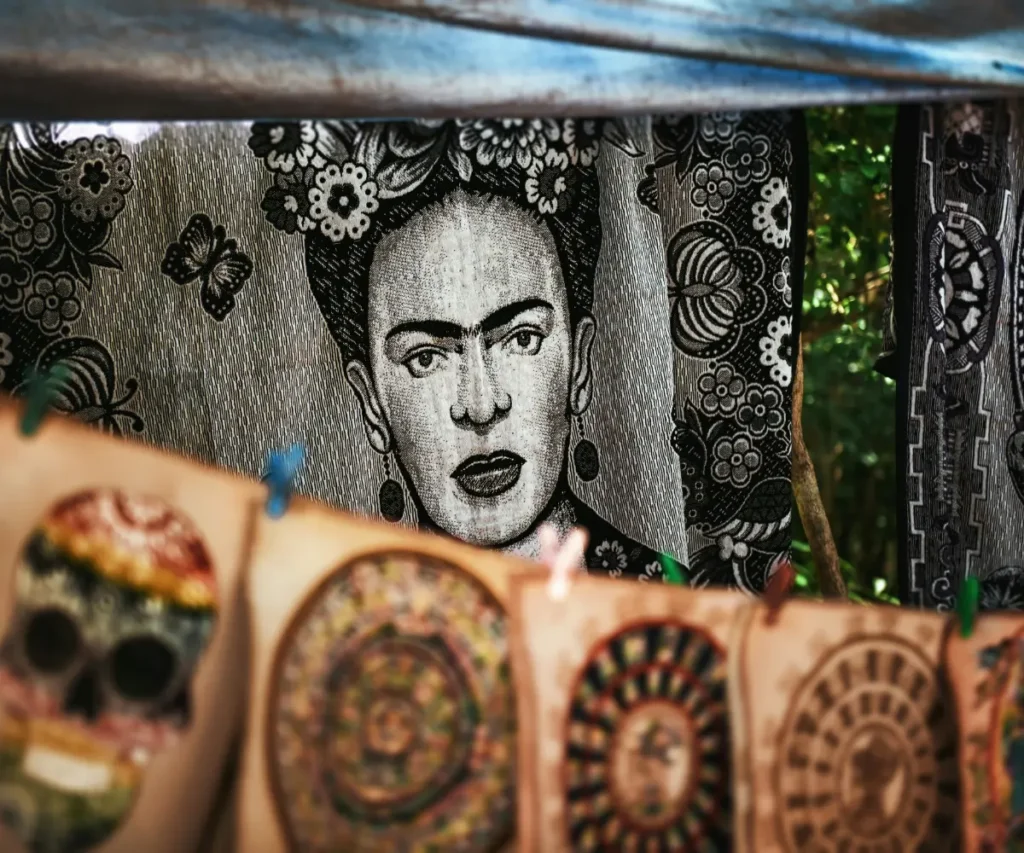
Why Frida Kahlo Still Inspires Women Today
Decades after her death, Frida Kahlo remains an icon. Exhibitions of her work continue to draw global audiences, and her image appears on everything from fashion to feminist literature. Yet beyond the commercial symbolism lies a more intimate reason for her enduring inspiration.
She painted what many women feel but struggle to articulate. Loneliness within marriage. Frustration with physical limitations. Pride in heritage. Desire for independence. Her canvases whisper that it is possible to hold pain and passion in the same hand.
Her life story becomes a mirror. You can endure setbacks and still cultivate beauty. At your own pace, you can redefine female identity. From personal hardship, you can create powerful creative or professional evolution.
Lessons in Passion and Authentic Living
Frida Kahlo’s life was not easy. It was complicated, messy, and at times heartbreaking. But it was undeniably authentic. She did not separate her art from her lived experience. She integrated them.
Here are a few practical reflections inspired by her journey:
- Honor your pain instead of minimizing it. Journaling, therapy, or creative expression can transform suffering into insight.
- Reclaim your image. Wear what reflects your inner world, not what others expect.
- Stay connected to your cultural or personal roots. They can be a powerful source of stability and inspiration.
- Allow your passion to evolve. It may look different at 20 than it does at 40, and that is growth, not failure.
A Final Reflection on Identity and Inspiration
Frida Kahlo teaches us that passion is not the absence of pain. It is the courage to create in spite of it. Her art stands as a testament to the complexity of female identity, layered with vulnerability, strength, culture, and desire.
As you move through your own journey of career decisions, relationships, and personal growth, consider where your unexpressed passion might be waiting. What parts of your identity deserve more visibility? What story are you ready to tell?
Let Frida’s legacy be a gentle reminder that inspiration often begins in the very places we feel most fragile. When we dare to face our truth and express it fully, we do more than create. We redefine what it means to be a woman in our own unique and powerful way.
Bc. Michaela Šmírová
*zdroj obrázků
https://www.gallery.ca/collection/artwork/frida-kahlo
https://wwd.com/pop-culture/celebrity-news/gallery/frida-kahlo-photos-1236088466