There comes a point when many women look into their closets and realize something surprising. Despite having plenty of clothes, getting dressed still feels frustrating. Pieces bought on impulse sit untouched, trends that seemed exciting a few months ago no longer feel relevant, and shopping often becomes a temporary solution rather than a lasting source of satisfaction.
Between busy schedules, social media influence, and the pressure to always look polished, it is easy to fall into the habit of purchasing more without feeling any better about what we own. In a world where fashion moves faster than ever, many are beginning to question whether keeping up with constant trends is really worth it.
This is one reason why slow fashion has gained so much attention in recent years. More than a style movement, it encourages a different mindset. It invites us to prioritize quality, embrace intention, and make choices that reflect self-respect rather than impulse.
Why Fast Fashion Often Feels Unsatisfying
Fast fashion is built around speed. New collections appear constantly, encouraging consumers to buy more and buy often. While the excitement of a new purchase can feel rewarding in the moment, that feeling rarely lasts.
Many women have experienced the cycle of buying something because it is trendy, wearing it only a few times, and then moving on to the next thing. Over time, this can create clutter, decision fatigue, and a sense that personal style is always dependent on what is currently popular.
Research from the United Nations Environment Programme highlights how overconsumption in fashion contributes to significant environmental challenges while also encouraging a culture of disposability.
Beyond sustainability concerns, fast fashion can also disconnect us from our own preferences. When purchasing decisions are driven by trends, it becomes harder to identify what genuinely makes us feel confident and comfortable. Instead of building a wardrobe around our needs, we end up building one around marketing messages and short lived trends.
The Link Between Quality and Self-Respect
Self-respect is often reflected in everyday choices. It shows up in how we manage our time, set boundaries, and care for our well being. The same principle applies to our wardrobes.
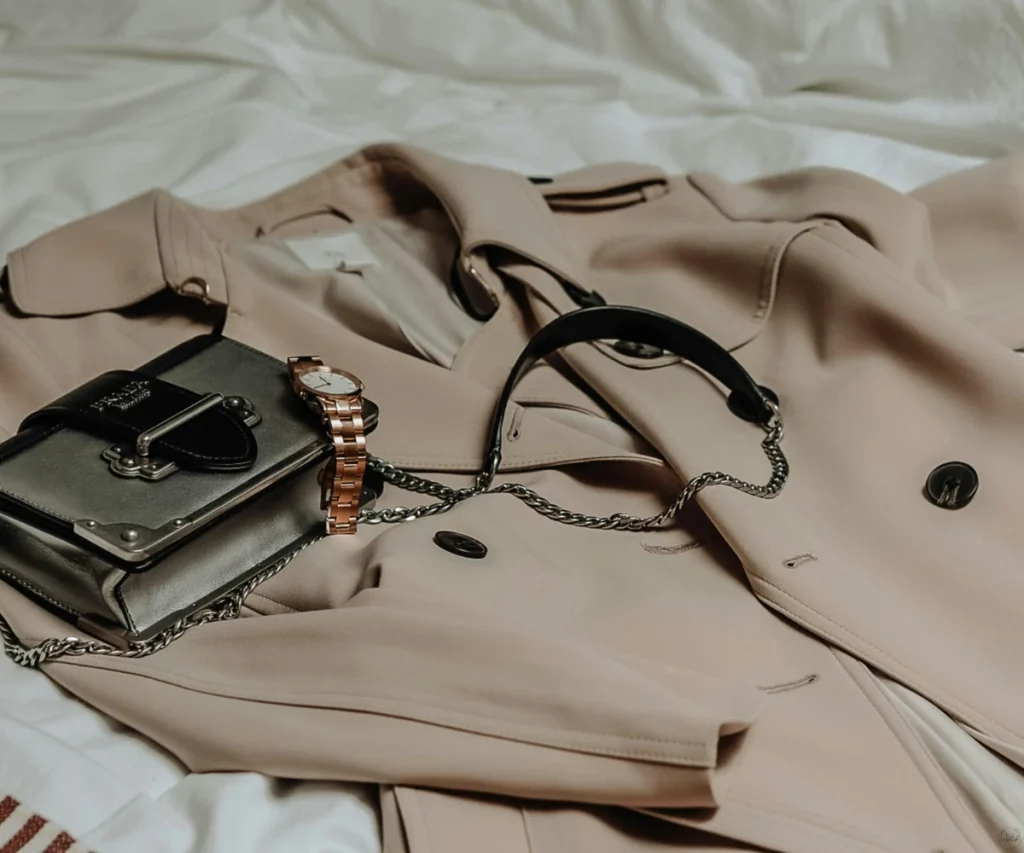
Choosing quality clothing means valuing longevity over temporary excitement. A well made coat, a pair of jeans that fit perfectly, or a versatile dress can serve you for years. These pieces often provide greater comfort, better fit, and more confidence than several lower quality alternatives.
Investing in quality does not necessarily mean spending excessively. It means making thoughtful decisions and considering long term value rather than short term gratification.
Quality clothing often offers:
- Better durability and longer wear
- Greater comfort throughout the day
- Improved fit and appearance
- Less need for frequent replacements
- Better value over time
When we choose quality, we communicate something important to ourselves: what I wear matters, and so do I. This shift in perspective can be surprisingly powerful. Rather than viewing clothing as disposable, we begin to see it as something that supports our daily lives and reflects our personal standards.

Intention Changes the Way We Shop
One of the most powerful aspects of slow fashion is intention.
Intentional shopping begins with asking better questions before making a purchase. Instead of focusing solely on whether something is attractive or popular, we start considering whether it genuinely deserves a place in our wardrobe.
Does This Fit My Lifestyle?
A beautiful item is not always the right item. Clothing should support your daily life, whether that involves office meetings, working from home, social events, or family responsibilities.
Will I Wear This Repeatedly?
Instead of focusing on how something looks in a store, consider how often you will realistically wear it. Pieces that work across multiple occasions tend to provide far more value.
Does This Reflect My Personal Style?
Slow fashion encourages women to define their own style rather than constantly adapting to external expectations. The goal is not to follow every trend but to build a wardrobe that feels authentic.
Slowing Down Builds Confidence
Confidence does not come from owning more clothes. More often, it comes from understanding what works for you.
A wardrobe built with intention removes much of the stress associated with getting dressed. Rather than sorting through dozens of items that no longer suit your lifestyle, you are surrounded by pieces that align with your needs and preferences.
This simplicity creates clarity. It allows you to focus less on what everyone else is wearing and more on how you want to present yourself to the world.
Many women discover that when they buy less, they actually enjoy fashion more. Each purchase feels meaningful, and each item has a purpose. There is less guilt, less clutter, and more appreciation for what is already in the closet.
According to Fashion Revolution’s consumer survey, consumers are showing growing interest in transparency, ethical production, sustainability certifications, and clothing designed for durability. This growing shift reflects a desire for more meaningful relationships with the products we buy.
The result is often a stronger sense of confidence because your choices are guided by personal values rather than outside pressure.
How to Embrace Slow Fashion
Adopting a slow fashion mindset does not require replacing your entire wardrobe. In fact, the most sustainable approach is often the simplest.
Key principles of slow fashion include:
- Buying with intention rather than impulse
- Prioritizing quality over quantity
- Choosing timeless pieces over short lived trends
- Caring for clothes to extend their lifespan
- Building a wardrobe that reflects your real lifestyle
Start With Your Existing Closet
Take time to identify the pieces you wear most often. These items reveal valuable information about your preferences and lifestyle.
Buy Less but Buy Better
Instead of purchasing several inexpensive items, consider saving for one high quality piece that will last longer and serve multiple purposes.
Pause Before Purchasing
Giving yourself a day or two before buying something can reduce impulse purchases and help ensure your decision is intentional.
Focus on Versatility
Choose pieces that can be styled in different ways and worn across seasons or occasions. A smaller wardrobe filled with versatile pieces often provides more outfit options than a larger wardrobe filled with impulse purchases.
Choosing Fashion That Reflects Your Values
Slow fashion is about much more than clothing. It is about creating a thoughtful relationship with consumption and making choices that align with who you are.
By prioritizing quality, embracing intention, and slowing down the pace of purchasing, women can build wardrobes that feel more authentic, functional, and empowering. These choices support not only personal style but also confidence, financial mindfulness, and self-respect.
The next time you feel tempted by a passing trend, pause and ask yourself whether it truly serves your lifestyle and values. Often, the most empowering choice is not buying more. It is choosing better.
When fashion becomes an expression of self-respect rather than constant consumption, getting dressed is no longer about keeping up. It becomes a reflection of who you are and what matters most to you. Small, intentional decisions made over time can transform not only your wardrobe but also the way you approach consumption, confidence, and personal well being.
Bc. Michaela Šmírová