
There are certain clothes we reach for almost automatically. A soft wool sweater on a stressful morning. Satin pajamas after a long day. Breathable linen during busy summer afternoons. These choices may seem small, but texture affects far more than appearance. Different materials can influence comfort, mood, focus, and even the way the body responds to stress.
For women, sensory comfort plays an important role in everyday well-being. In a world full of constant stimulation, the fabrics we wear can either support inner calm or quietly add to tension. The connection between texture and internal energy is subtle, but many women already recognize its effect instinctively.
Why Texture Feels So Personal
Texture is one of the first things the body notices. Before we focus on style or color, the nervous system reacts to sensation. Soft fabrics often create ease, while rough or restrictive materials may increase discomfort throughout the day.
Research from Harvard Magazine suggests that sensory experiences strongly affect emotional regulation and stress levels. This may explain why certain fabrics instantly feel comforting while others feel irritating. Warm, soft textures are often linked to feelings of security and relaxation.
Many women notice these patterns in daily life:
- Choosing soft clothing during emotionally difficult periods
- Sleeping better in breathable natural fabrics
- Feeling calmer in relaxed, comfortable outfits
- Avoiding synthetic materials that trap heat or feel stiff
These reactions are connected to how the body processes comfort and safety.
Fine Wool and the Feeling of Grounded Energy
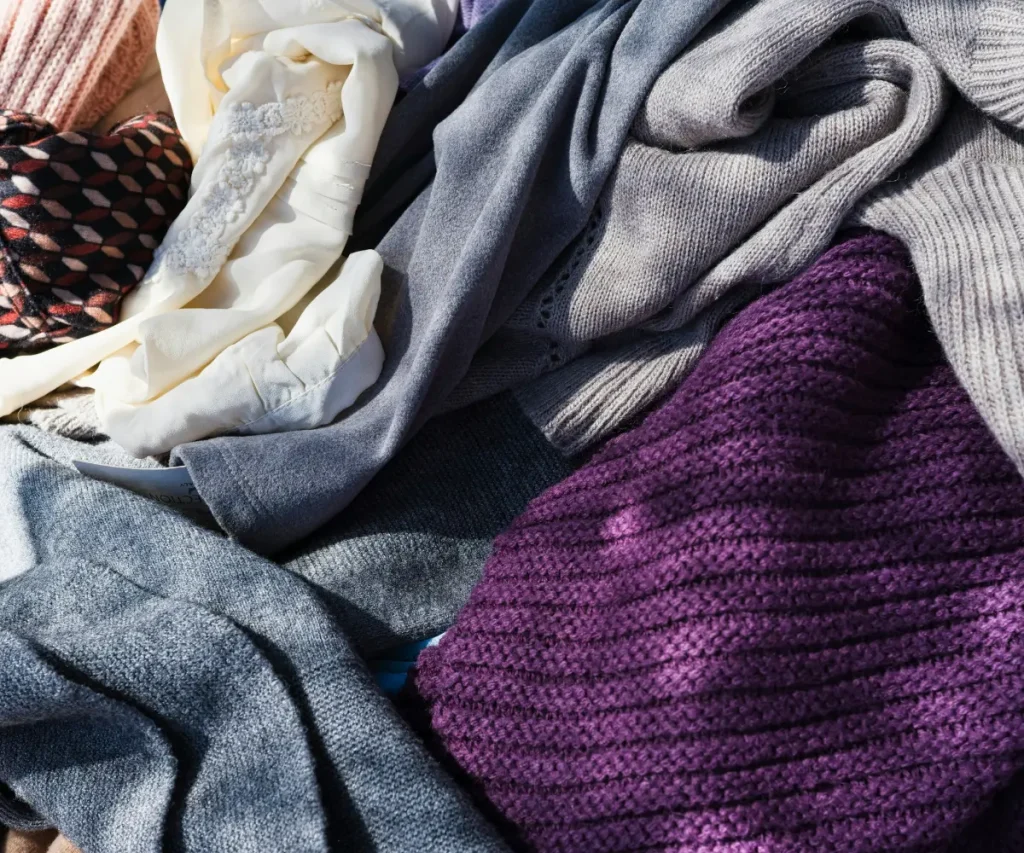
Fine wool is often associated with warmth and emotional grounding. Unlike rough synthetic fabrics, quality wool regulates temperature naturally and creates softness without overheating the body.
There is also a psychological comfort connected to wool textures. The gentle weight of knitwear can feel calming during stressful periods. Many women describe certain sweaters as emotionally comforting, not just physically warm.
This may explain why cozy knitwear becomes especially comforting during periods of exhaustion or emotional overload.

Satin and the Energy of Softness
Satin creates a completely different emotional experience. Smooth and cool against the skin, it is often connected with softness, femininity, and intentional rest.
Many women include satin in their evening routines because it changes the atmosphere of ordinary moments. Satin pillowcases, bedding, and sleepwear create a sense of calm that supports relaxation after overstimulating days.
Its effect is not only emotional. Satin reduces friction against skin and hair, which physically feels gentler on the body.
Women often associate satin with:
- Slower evening rituals
- Better sleep environments
- Emotional relaxation
- A stronger sense of femininity and softness
These small sensory experiences can positively affect internal energy and help the nervous system slow down.
Linen and the Energy of Clarity
Linen brings a different kind of energy. Light, breathable, and naturally textured, it often creates a feeling of simplicity and openness.
Unlike heavily processed fabrics, linen feels relaxed and effortless. Many women gravitate toward linen during periods when they want more balance and less mental clutter.
Its breathable quality also supports physical comfort, especially during warmer seasons or stressful days when overheating increases irritation and fatigue.
The beauty of linen lies in its imperfection. Its natural wrinkles and softness create a feeling of authenticity rather than pressure to appear perfectly polished.

The Hidden Effect of Synthetic Materials
Synthetic materials are practical in many situations, but they can sometimes affect the body differently than natural fibers. Certain fabrics trap heat, create static, or feel restrictive on sensitive skin.
This does not mean synthetic clothing should be avoided entirely. Performance fabrics are useful for exercise and travel. However, many women notice they feel calmer and more physically comfortable when natural materials are part of their daily routines.
The Sleep Foundation highlights the importance of breathable fabrics for sleep quality and temperature regulation, both of which influence recovery and emotional well being.
Small sensory details matter more than we often realize. Texture becomes part of the body’s daily emotional experience.
Creating More Comfort Through Intentional Choices
Most women already understand the emotional power of texture intuitively. Certain sweaters stay in our wardrobes for years because they bring a sense of comfort. After stressful weeks, soft bedding often becomes the first thing we reach for. Clothing can quietly support confidence, or, on the contrary, create irritation.
Simple choices can make a meaningful difference:
- Choose breathable fabrics for sleep and relaxation
- Pay attention to which textures create comfort or tension
- Mix practical clothing with softer materials during stressful periods
- Create calming spaces at home through blankets, bedding, and natural fabrics
These small adjustments can support emotional balance and help create a stronger sense of well being.
Conclusion
Different materials influence far more than personal style. From the grounding warmth of fine wool to the softness of satin and the breathable clarity of linen, texture affects comfort, stress levels, and internal energy in subtle but meaningful ways.
For women navigating busy modern lives, these sensory experiences can become an important form of self care. Choosing fabrics that feel supportive and calming is not superficial. It is part of creating an environment where the body and mind can feel more balanced.
Sometimes the smallest details, like the texture against your skin at the end of a long day, can have the greatest emotional effect.
Bc. Michaela Šmírová