
Have you ever noticed how certain outfits make you feel instantly lighter, calmer, or more confident? Maybe it is the soft cream sweater you reach for on slow mornings, or the bold red dress that somehow shifts your posture the moment you put it on. These small choices are not random. They are deeply connected to color psychology and the way our minds and bodies respond to visual cues.
For women, creating a supportive energy space becomes more than a trend. It becomes a quiet form of self care. What you wear and surround yourself with can influence your mood, your focus, and even how you show up in important moments. Color is not just aesthetic. It is emotional language.
Understanding Color Psychology in Everyday Life
Color psychology explores how shades affect emotions and behavior in subtle but consistent ways. It shows up in your routine more than you might think, from the outfit you choose for a meeting to the tones in your bedroom that shape how you unwind.
Research suggests that color can influence both mood and performance. For example, studies referenced by the National Library of Medicine highlight how exposure to certain colors can impact cognitive responses and emotional states.
The key is not to follow rigid rules, but to become more aware. Your personal reaction to color is what matters most when building a space that supports your well being.
Colors That Calm Your Mind and Body
When life feels overwhelming, calming tones can act as a gentle reset. They help regulate your emotional state and bring you back to a sense of balance.
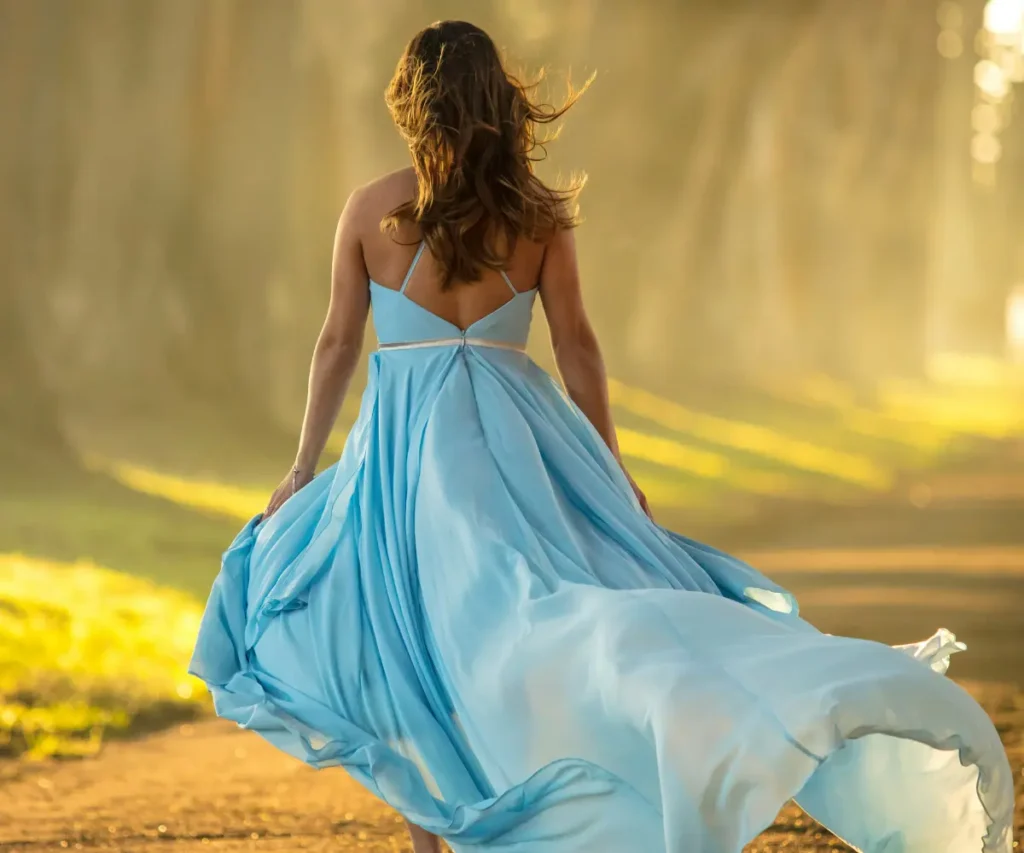
- Soft blue supports relaxation and clarity. It reflects the calmness of sky and water, making it ideal for moments when you need mental space
- Green encourages grounding and renewal. It connects you to nature and helps stabilize emotions during stressful periods
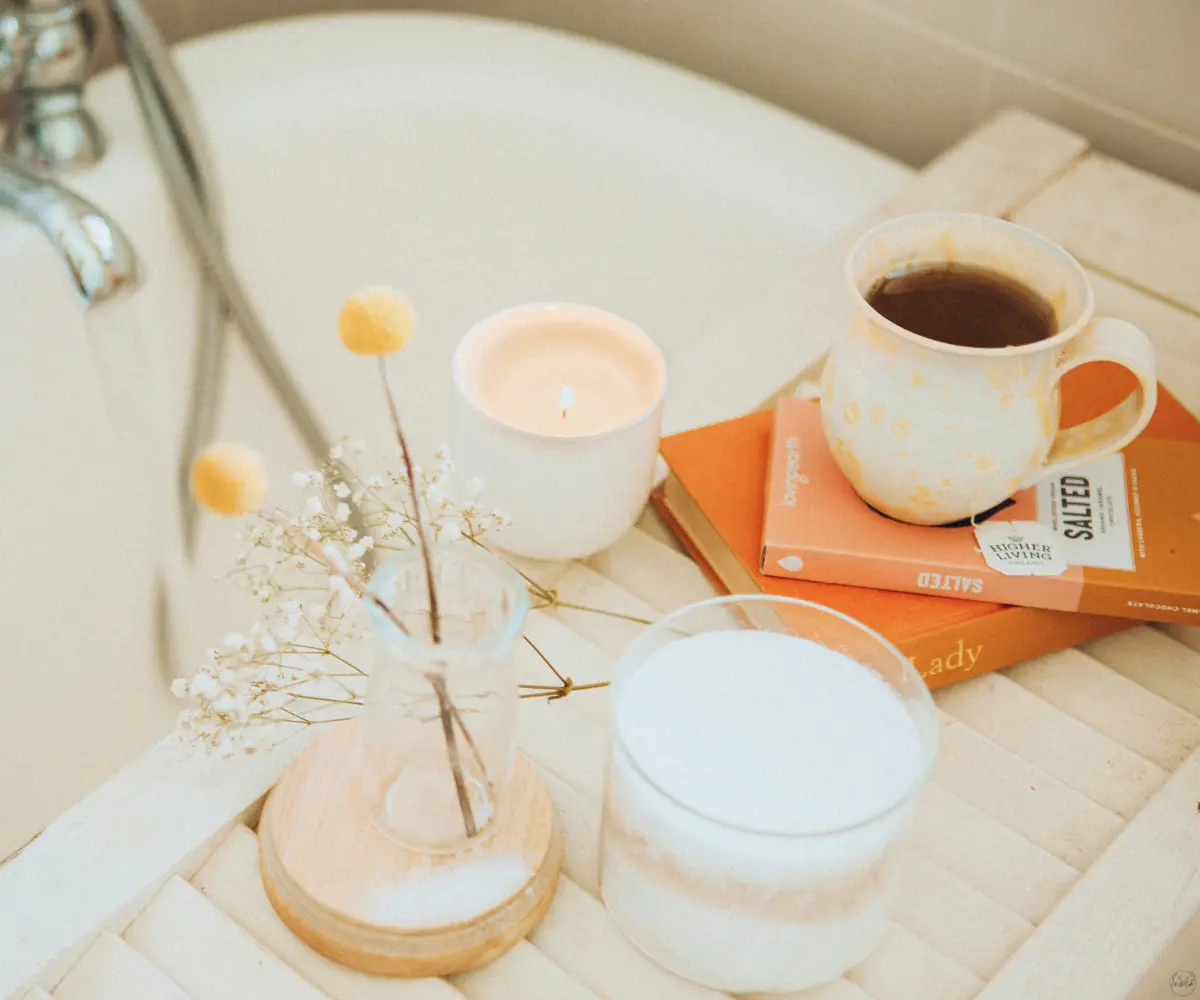
- Neutral tones like beige, cream, and light gray create comfort without overstimulation. They allow your mind to slow down and rest
These shades work especially well in environments where you need to recharge, such as your home or quiet workspaces.
Colors That Spark Courage and Confidence
At times when you need to step forward, express yourself, or take a risk, energizing colors can shift your mindset.
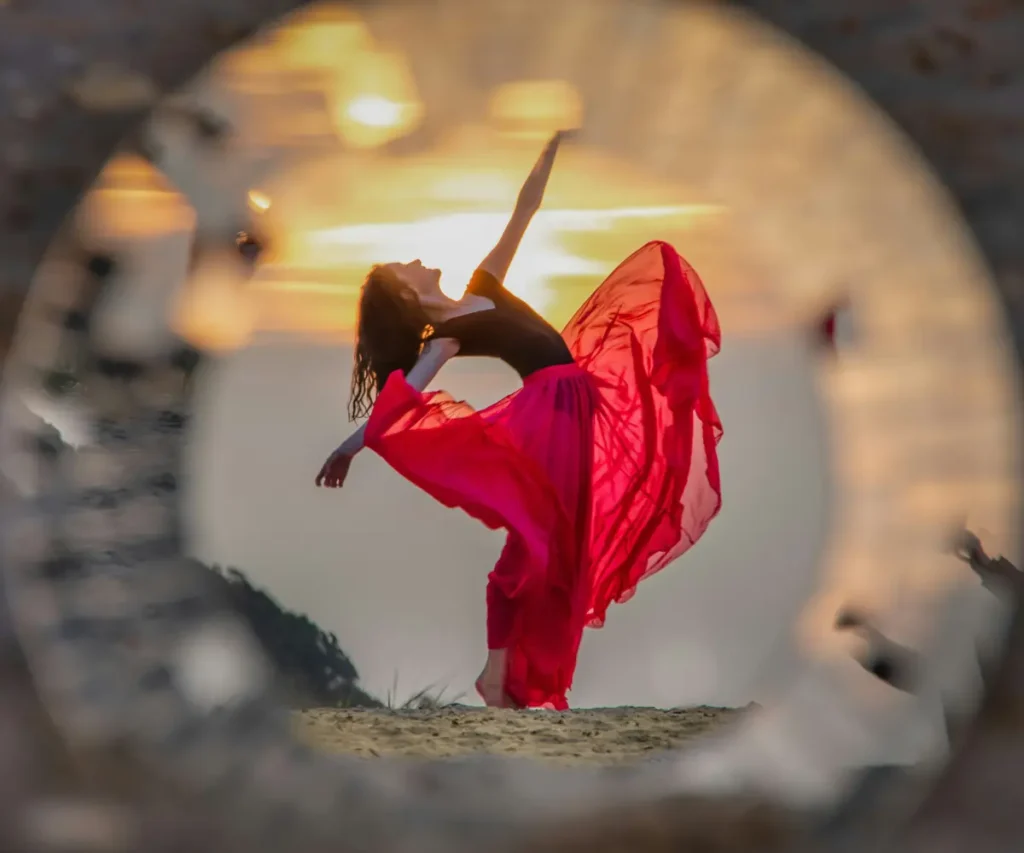
- Red increases energy and creates a sense of power. It can subtly boost confidence during important conversations or decisions
- Orange brings warmth and creativity. It supports social energy and openness without feeling overwhelming
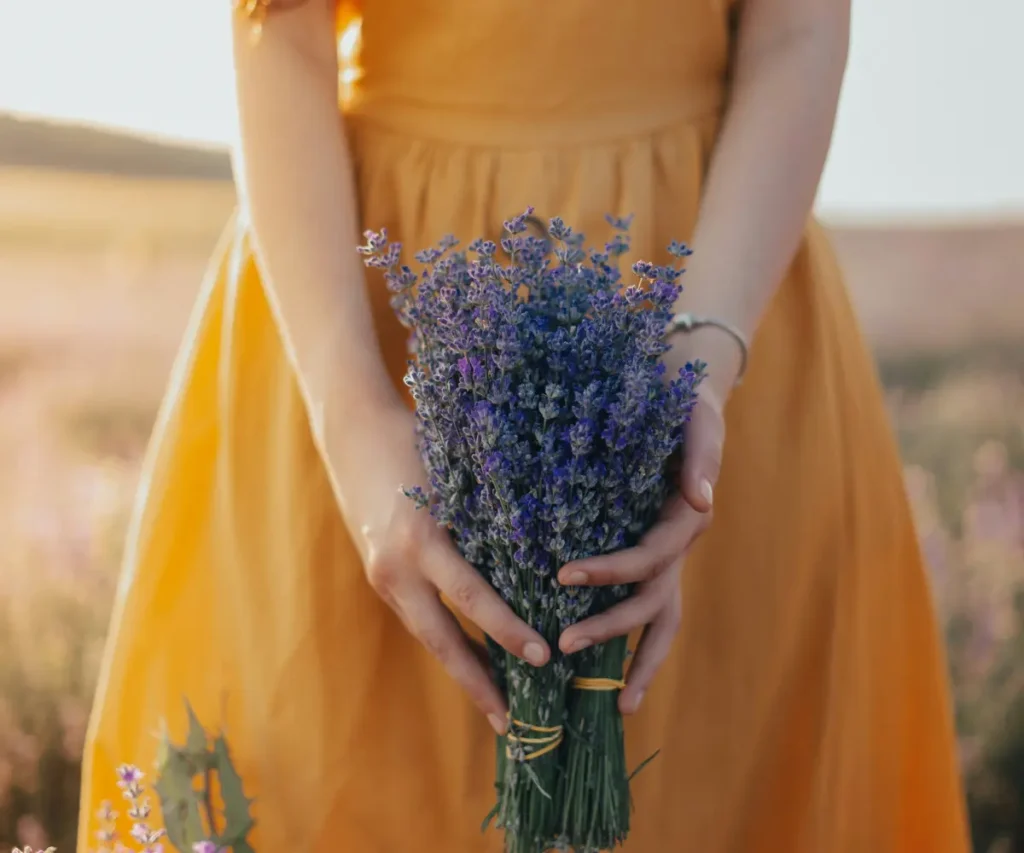
- Yellow encourages optimism and mental clarity. Even small accents can lift your mood and inspire a more positive outlook
Insights shared by Psychology Today suggest that color can influence emotional responses and decision making in meaningful ways.
Creating Your Personal Energy Space Through Style
Your wardrobe is one of the most accessible ways to apply color psychology intentionally. Instead of dressing on autopilot, you can begin aligning your clothing with how you want to feel.
Start by checking in with yourself each morning. Do you need calm focus or bold confidence? Let that answer guide your color choices. Over time, this habit builds a stronger connection between your inner state and outward expression.
Layering colors is also effective. Combining calming tones with energizing accents allows you to feel balanced rather than overwhelmed. For example, a neutral outfit paired with a bold accessory can support both stability and strength.
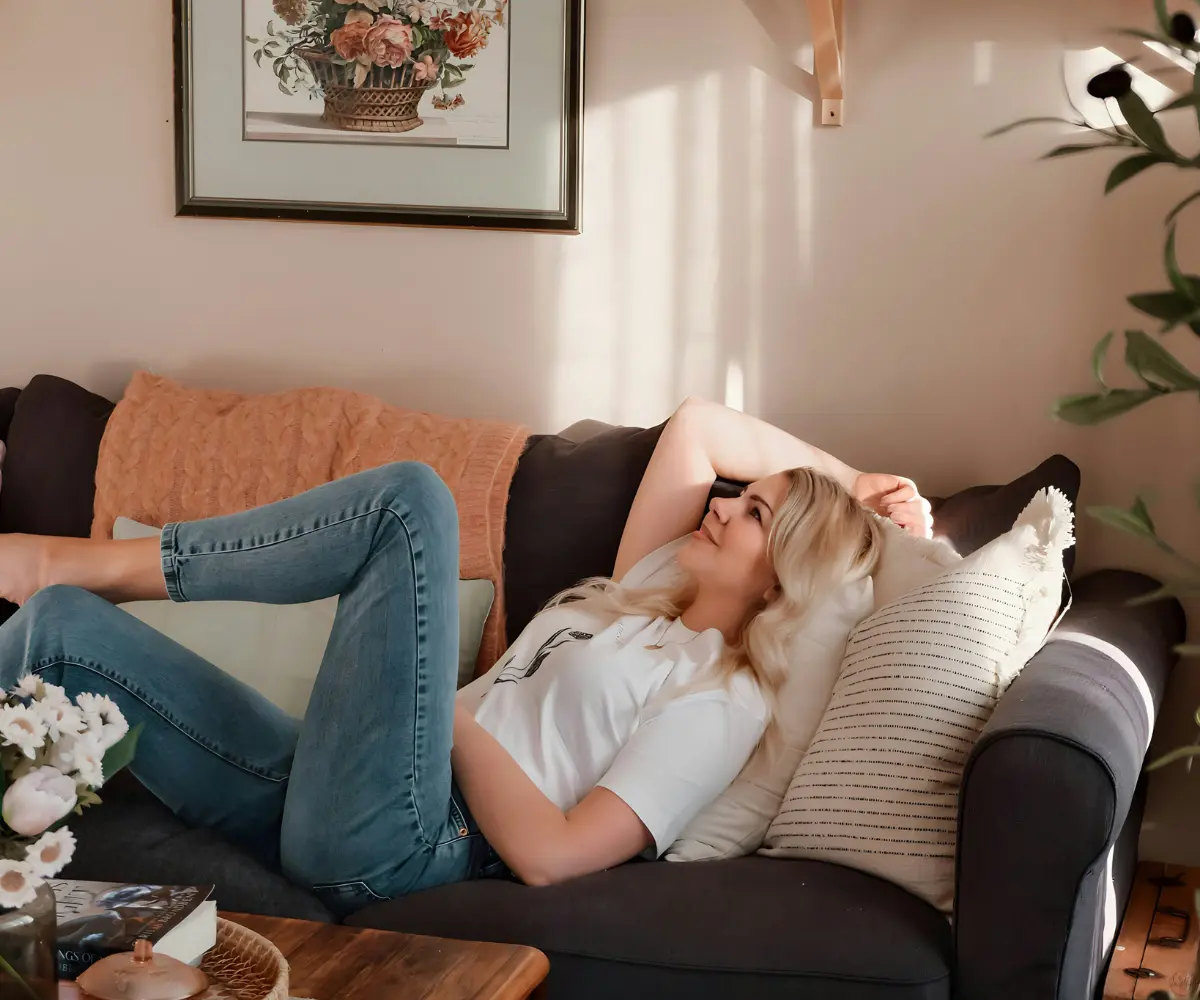
Your environment plays an equally important role. The colors in your home, workspace, or even digital background contribute to your overall energy space. Small shifts, like adding greenery or choosing softer tones in your bedroom, can have a noticeable impact on how you feel throughout the day.
Listening to Your Emotional Response to Color
While general associations are helpful, your personal experience with color is unique. A shade that feels calming to someone else might feel dull or uninspiring to you. That is why awareness matters more than rules.
Notice which colors you gravitate toward during different moods. Pay attention to how you feel when you wear certain tones or spend time in specific environments. This reflection helps you build a palette that genuinely supports your emotional needs.
You might find journaling useful. Writing down your reactions to color can reveal patterns over time, giving you deeper insight into what brings you balance or energy.
Making Color a Daily Ritual of Self Care
Incorporating color psychology into your life does not require dramatic changes. It is about small, intentional shifts that support your daily experience.
You might begin by choosing one calming color for your mornings and one energizing color for key moments in your day. Or you could redesign a small corner of your home to reflect the energy you want to cultivate.
Think of color as part of your self care practice. Just like movement or rest, it becomes a simple yet powerful way to support your inner world through external choices.
Conclusion
Color has a quiet but meaningful influence on how you feel, think, and move through your day. By understanding color psychology and using it intentionally, you can create an energy space that supports both healing and confidence.
Calming tones like blue, green, and neutrals help you slow down and reconnect, while vibrant shades like red, orange, and yellow encourage courage and action. The most important step is to stay aware of your own emotional response and use color in a way that feels natural to you.
Start small and stay curious. With time, these choices become part of your rhythm, helping you feel more grounded, empowered, and aligned in everyday life.
Bc. Michaela Šmírová