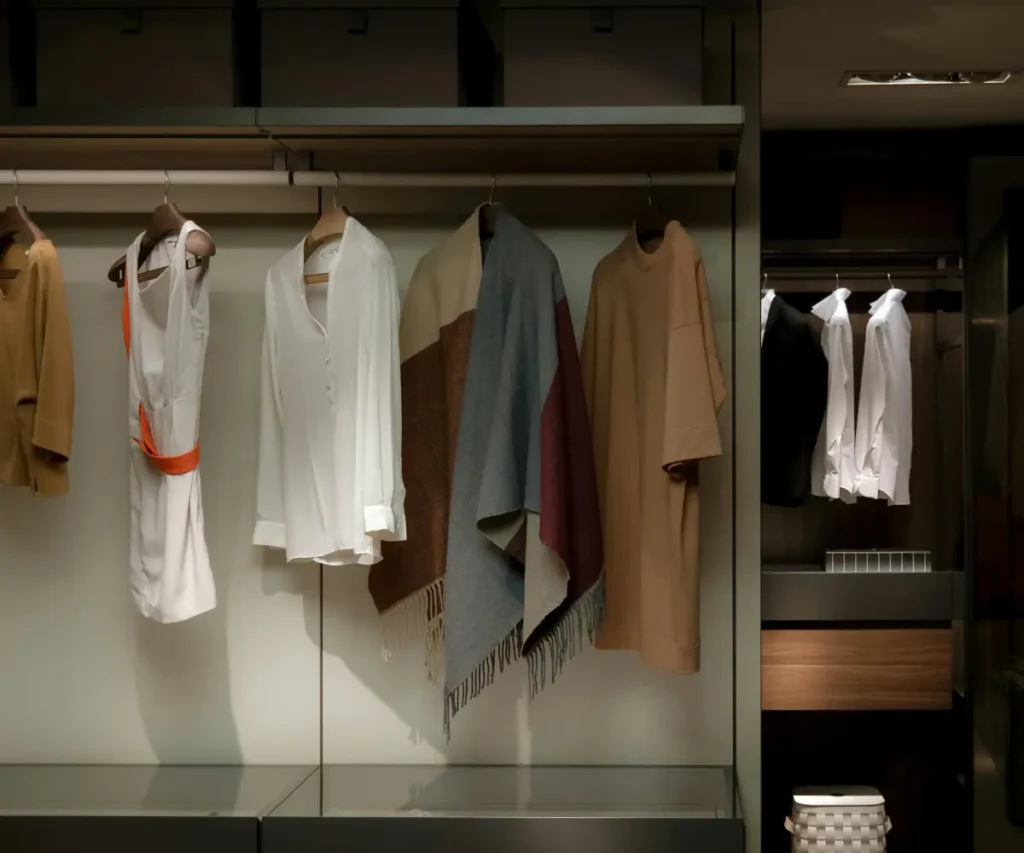
You stand in front of your wardrobe, scanning rows of clothes, yet somehow it feels like you have nothing to wear. Sound familiar? For many women, this daily ritual is about more than just outfits. It is a quiet reflection of identity, mood, and even unspoken fears.
Your wardrobe is not just a collection of fabrics. It is a record of who you have been, who you are, and sometimes who you are unsure about becoming. The pieces you reach for without thinking and the ones that sit untouched for months both tell a story. And once you start paying attention, that story becomes surprisingly revealing.
The Psychology Behind What You Love
We all have those go-to items. A dress that fits just right. A blazer that makes you feel instantly confident. Those jeans you would save in a fire.
These are not random favorites. They are emotional anchors.
Clothing psychologists often highlight how what we wear influences how we feel and behave. Research from Journal of Experimental Social Psychology suggests that clothing can impact cognitive processes and self-perception. You can explore more about this concept of “enclothed cognition” here.
When you consistently reach for certain pieces, it often means:
- They align with how you want to be seen
- They support your confidence in specific environments
- They reflect a version of yourself that feels authentic
That soft knit sweater you love might represent comfort and safety. That structured blazer could signal ambition and control. These choices are rarely just about style. They are about identity.
The Hidden Meaning Behind What You Ignore
Now, take a look at what you do not wear. Clothes tucked away and never worn. Pieces with tags still attached.
Impulse buys that felt right at the moment but never became part of your daily rotation.
Ignoring certain pieces is just as telling as loving others.
Unworn clothes often represent:
- A version of yourself you thought you would become
- Trends you felt pressured to follow
- Purchases made during emotional highs or lows
Sometimes, these items reflect hesitation. Maybe that bold dress feels “too much”, or those tailored trousers feel “too serious”. In reality, they may be tied to deeper beliefs about what you deserve or how visible you are allowed to be.
There is also a practical layer. According to insights from Cleveland Clinic on decision fatigue, reducing daily choices can improve mental clarity. If something feels slightly off, your brain may simply choose the easier, more familiar option.
Your Wardrobe as a Timeline of Your Life
Open your closet and you are essentially opening a timeline.
There are pieces from your first job, clothes from a relationship phase, outfits tied to travel memories, and items bought during times of change. Each piece carries context.
This is why letting go of clothes can feel emotional. You are not just discarding fabric. You are releasing a version of yourself.
For women navigating career growth or life transitions, this becomes even more significant. Your wardrobe might still reflect a past role or identity that no longer fits your current reality. That mismatch can subtly affect confidence and decision-making.
Emotional Spending and Identity Shifts
We do not always shop with logic. Sometimes, we shop with hope.
You might buy a dress for a lifestyle you aspire to or invest in pieces that symbolize a future version of yourself. This is not necessarily a bad thing. It can be a form of motivation.
But problems arise when your wardrobe becomes disconnected from your daily life.
Ask yourself:
- Do I dress for the life I have or the life I imagine?
- Are my purchases aligned with my actual routine?
- Am I holding onto clothes out of guilt or expectation?
Recognizing these patterns helps you create a wardrobe that supports your present self while still leaving space for growth.
Building a Wardrobe That Reflects You Now
The goal is not to have a perfect wardrobe. It is to have an honest one.
Start by observing your habits without judgment. Notice what you wear most often and why. Pay attention to how different outfits make you feel throughout the day.
Then, consider these small shifts:
Edit with intention
Remove items that no longer align with your lifestyle or self-image. If you have not worn something in a year, ask why.
Identify your core pieces
Focus on the clothes you love and wear frequently. These are your foundation.
Bridge the gap
If there are items you want to wear but do not, figure out what is missing. Sometimes it is as simple as the right shoes or layering piece.
Dress for your real life
Your wardrobe should support your daily routine, not an occasional fantasy.
The Confidence Factor
There is a quiet confidence that comes from wearing something that feels right. Not just stylish, but aligned.
When your wardrobe reflects your true self, decision-making becomes easier. You spend less time second-guessing and more time showing up fully in your life.
This is particularly powerful for women balancing multiple roles. Your clothes can either add friction to your day or create a sense of ease and clarity.
A Gentle Invitation to Look Closer
Your wardrobe is already speaking to you. The question is whether you are listening.
Take a moment this week to stand in front of your closet with curiosity instead of frustration. Notice what draws you in and what you avoid. There is insight in both.
By understanding the psychology behind what you love and ignore, you can create a wardrobe that feels less like a daily struggle and more like a supportive tool.
In the end, it is not about having more clothes. It is about having the right ones.
Bc. Michaela Šmírová