

Late summer has a way of making getting dressed surprisingly complicated. The mornings can feel crisp, afternoons are still warm, and evenings suddenly call for an extra layer. You may be ready for autumn style, but that does not mean you need to pack away your favorite summer pieces or spend a fortune on a new wardrobe.
The secret is learning how to make your existing late summer wardrobe work harder. With thoughtful layering, transitional fabrics, richer colors, and a handful of versatile pieces, you can create outfits that feel current and comfortable as the seasons change.
Start With Your Existing Wardrobe
Before buying anything, take another look at what is already hanging in your closet. Many pieces you associate exclusively with summer can easily work into autumn.
A sleeveless midi dress, for example, can be worn with sandals on a warm afternoon, then styled with a cardigan and loafers when temperatures fall. A cotton shirt can move from shorts to jeans, while a lightweight skirt can take on a completely different character with a knit sweater.
Rather than dividing your wardrobe into strict summer and autumn categories, look for pieces that can bridge the gap.
Make Layering Your Best Styling Tool
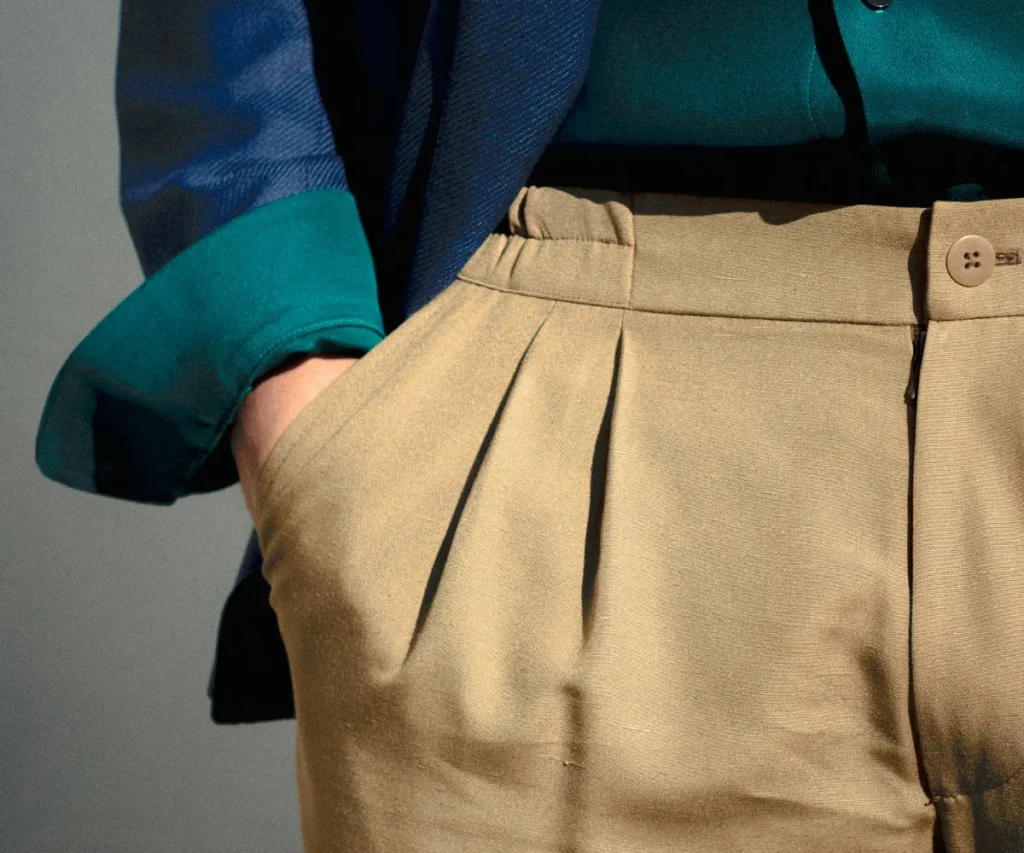
Layering is the easiest way to make summer clothes feel appropriate for cooler weather. It also gives you flexibility when temperatures change throughout the day.
Try combinations such as:
- A sleeveless dress with a lightweight cardigan and loafers
- A tank top underneath an oversized button-down shirt
- A summer skirt with a fitted long-sleeve top and denim jacket
- A T-shirt with tailored trousers, a blazer, and ballet flats
The important thing is to choose lightweight layers rather than immediately reaching for thick sweaters and heavy coats. Vogue has also explored how layering can extend the life of summer staples well into autumn.
Choose Fabrics That Work Across Seasons
Fabric can make an outfit feel more autumnal without making it uncomfortable on a warm September afternoon.
Instead of moving directly from linen to heavy wool, look for transitional textures such as lightweight denim, cotton poplin, suede, fine-gauge knits, silk, satin, and lightweight leather.
For example, wear a silky midi skirt with a simple T-shirt while it is warm. Later, switch the T-shirt for a fine-knit sweater. A linen shirt can be worn over a tank now and layered underneath a blazer when the weather cools.
The goal is to add texture before bulk. This keeps your outfits polished while allowing you to adjust easily to changing temperatures.

Introduce Autumn Colors Gradually
You do not have to abandon white, cream, soft pink, or other summer shades as soon as September arrives. Instead, introduce deeper colors through smaller details.
Think camel, chocolate brown, olive, burgundy, navy, rust, and charcoal. A darker handbag, belt, cardigan, or pair of shoes can immediately give a familiar outfit a more autumnal feel.
You can also combine seasonal shades rather than replacing your entire color palette. A cream dress with brown accessories, for instance, feels much more transitional than the same dress styled with a straw bag and bright sandals.
Current pre-fall fashion coverage also emphasizes versatile pieces that can move naturally between late summer and autumn. For more inspiration, you can read the article at Vogue.
Focus on a Few Key Pieces
If your wardrobe genuinely needs something new, resist the temptation to buy an entire autumn collection. A few strategic additions can create dozens of combinations.
Lightweight Jacket
A denim jacket, blazer, utility jacket, or lightweight trench can instantly transform a summer dress or simple top.
Fine-Knit Cardigan
A cardigan is one of the most useful transitional pieces because it works over dresses, skirts, jeans, and trousers. Choose a neutral shade if versatility is your priority.
Closed-Toe Shoes
You do not necessarily need heavy boots right away. Loafers, ballet flats, sneakers, and ankle boots can all make summer outfits feel more autumn ready.
Versatile Trousers
A well-fitting pair of trousers in denim, navy, brown, or charcoal can replace shorts when temperatures begin to fall while still working with your existing summer tops.
Keep Wearing Your Summer Favorites
One common mistake is packing away summer clothes too early. If the weather is still warm, there is no reason your favorite dress or sandals suddenly become irrelevant.
Instead, change the styling around them. A floral midi can work with a cardigan and loafers, a white shirt can be tucked into dark denim, a lightweight skirt can be paired with a structured jacket.
Who What Wear has similarly recommended extending the life of summer clothing through strategic layering and styling rather than treating seasonal pieces as disposable.
Create Simple Outfit Formulas
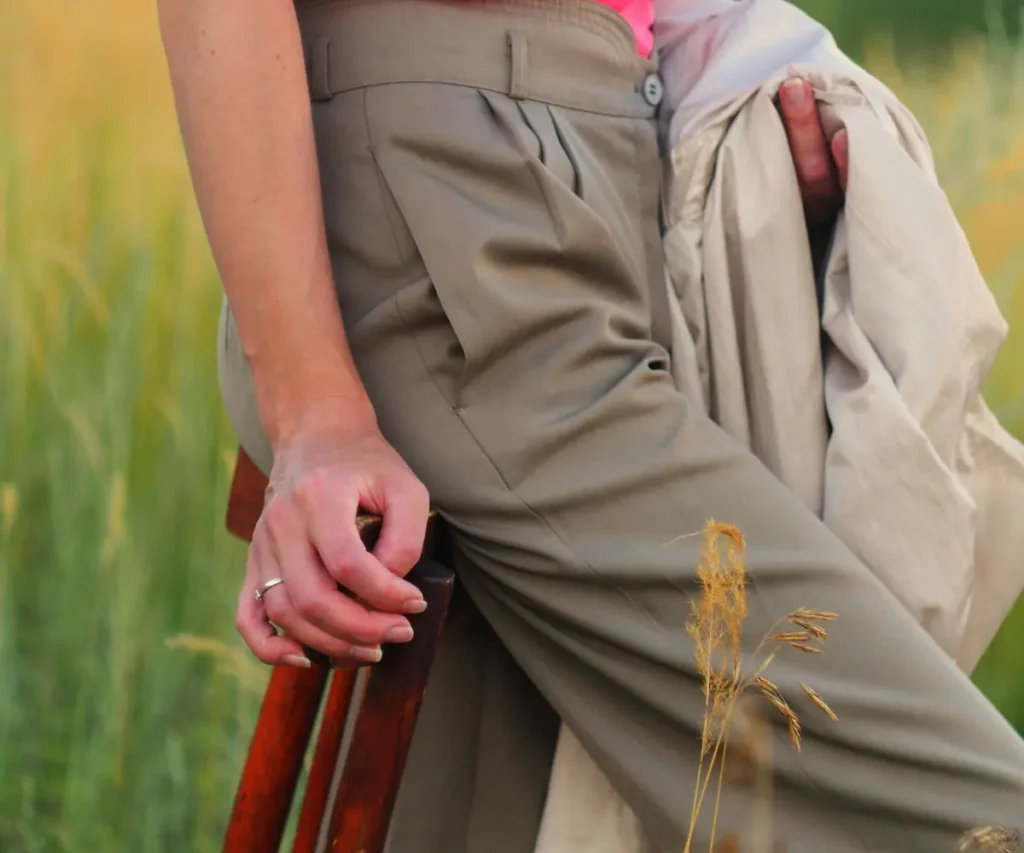
Having a few reliable combinations makes the transition much easier, especially on busy mornings.
Try these formulas:
- Summer dress + cardigan + loafers
- Tank top + straight-leg jeans + lightweight blazer
- Midi skirt + T-shirt + denim jacket
- Tailored trousers + sleeveless blouse + cardigan
- White shirt + dark denim + ballet flats
When temperatures drop further, simply swap lighter pieces for knitwear and add boots or a warmer jacket.
Let Your Style Evolve With the Season
The best late summer wardrobe does not become an autumn wardrobe overnight. It evolves gradually.
Keep your favorite summer pieces in rotation, experiment with layers, introduce richer colors, and prioritize fabrics that work across changing temperatures. Most importantly, resist the feeling that every new season requires a shopping spree.
Autumn style is less about having more clothes and more about seeing new possibilities in what you already own. Before you buy anything, spend a few minutes creating fresh combinations from your existing wardrobe. You may discover that the most useful autumn pieces have been there all along.
Bc. Michaela Šmírová