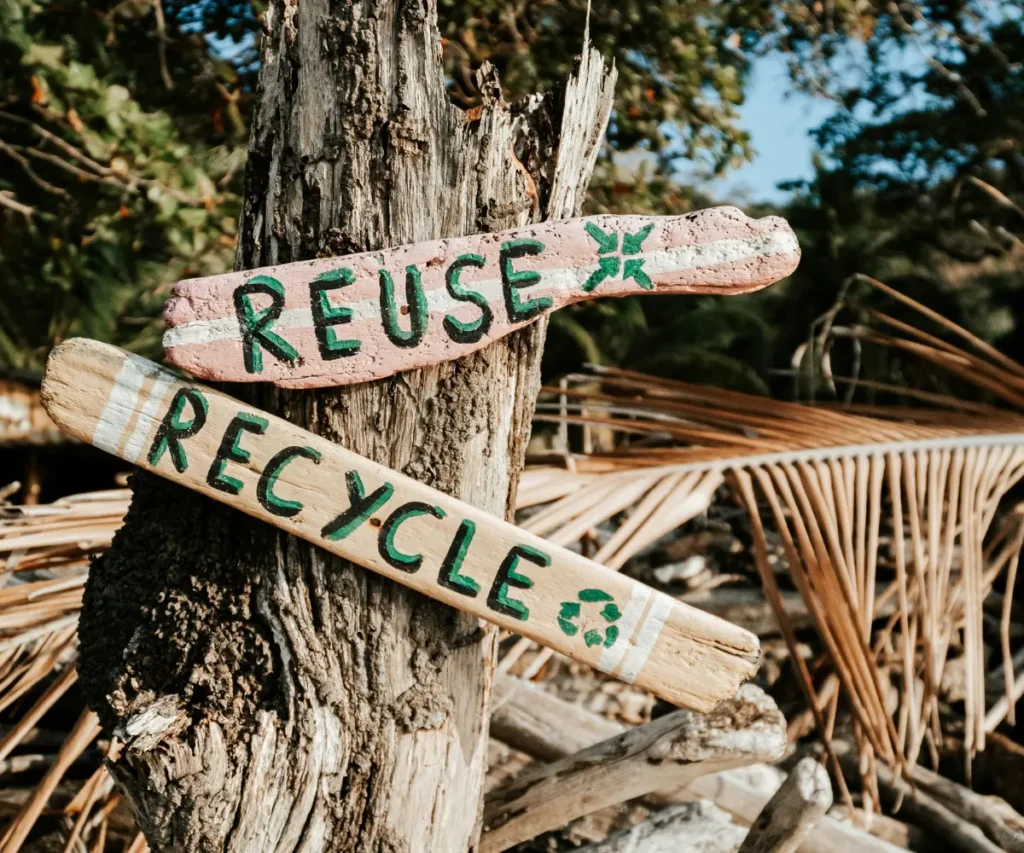

Have you ever cleaned out your wardrobe, filled a donation bag, and wondered what really happens to the clothes you no longer wear? For many women who care about sustainability, mindful living, and making thoughtful purchasing decisions, this question has become increasingly important. We want our choices to matter, yet millions of tons of textiles still end up in landfills every year.
Fashion has always been a form of self-expression, but it also leaves behind a significant environmental footprint. The good news is that technology is opening the door to a more responsible future. AI textile recycling combines artificial intelligence, robotics, and advanced imaging systems to sort and recover textiles with remarkable accuracy. This shift is helping reduce waste while making circular fashion a realistic goal.
Why Textile Waste Has Become Such a Challenge
Every year, the fashion industry produces enormous amounts of clothing, yet only a small percentage is recycled into new garments. Many fabrics are blended together, making them difficult to separate using traditional recycling methods. Even experienced workers can struggle to distinguish between materials that look almost identical.
As consumers, we often assume that donating or recycling clothing guarantees it will be reused. Unfortunately, mixed fibers, damaged garments, and inaccurate sorting frequently result in textiles being sent to landfill or incineration instead. This is where smart fashion recycling technology can make a real difference.
How AI Textile Recycling Makes Smarter Decisions
Artificial intelligence is transforming textile recycling by helping facilities identify fabrics with far greater speed and accuracy than manual sorting alone.
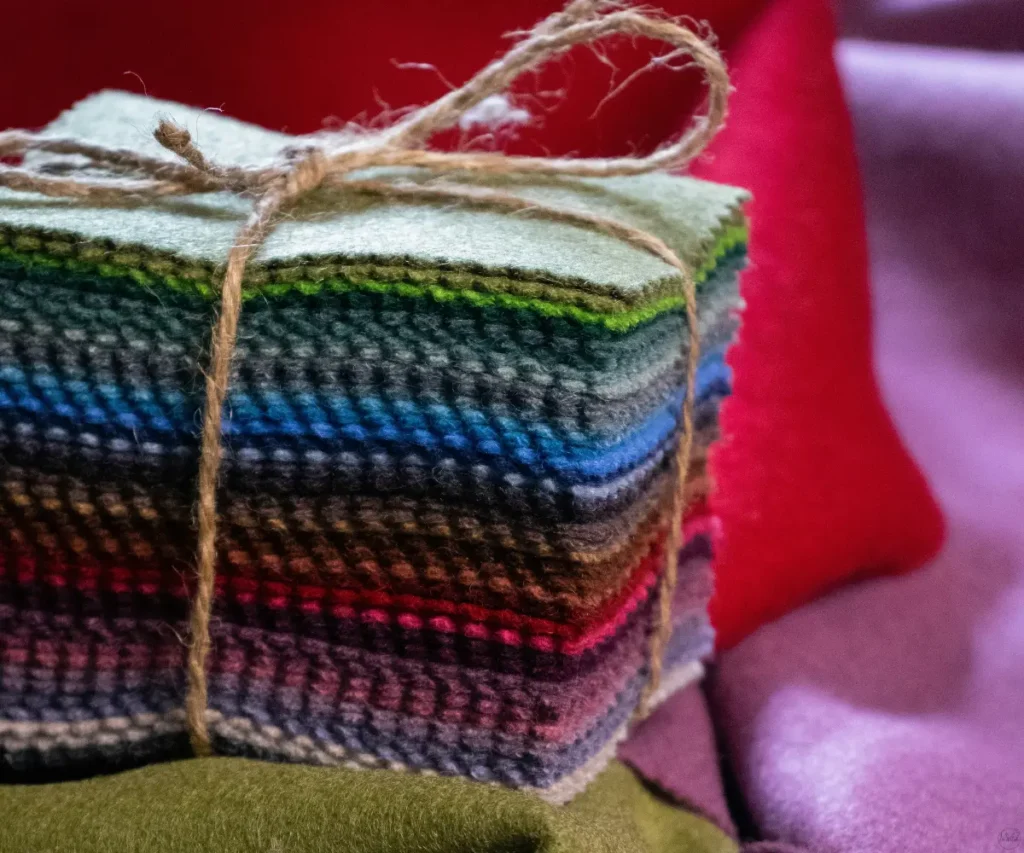
Machine learning systems analyze thousands of textile samples and become increasingly skilled at recognizing different fibers, colors, fabric blends, and manufacturing methods. Instead of relying only on appearance, AI evaluates complex patterns that people cannot consistently detect.
The result is faster processing, fewer sorting errors, and higher recovery rates.
According to the Ellen MacArthur Foundation, improving textile circularity is essential for reducing waste and lowering fashion’s environmental impact.
Robotics and Spectral Imaging Improve Textile Sorting
One of the most exciting innovations combines robotics with spectral imaging.
Spectral imaging analyzes how fabrics reflect different wavelengths of light. Cotton, polyester, wool, nylon, and blended materials each have a unique spectral signature, allowing AI systems to identify them accurately.
Once the material has been recognized, robotic arms quickly place each garment into the correct recycling stream.
This technology offers several advantages:
- Faster sorting than manual methods
- Better identification of blended fabrics
- Less contamination between recycling streams
- Higher quality recycled fibers
- Greater recycling efficiency
Because materials are separated more accurately, recyclers can produce recycled fibers that are suitable for manufacturing new clothing and other products.
Building a Circular Fashion Economy
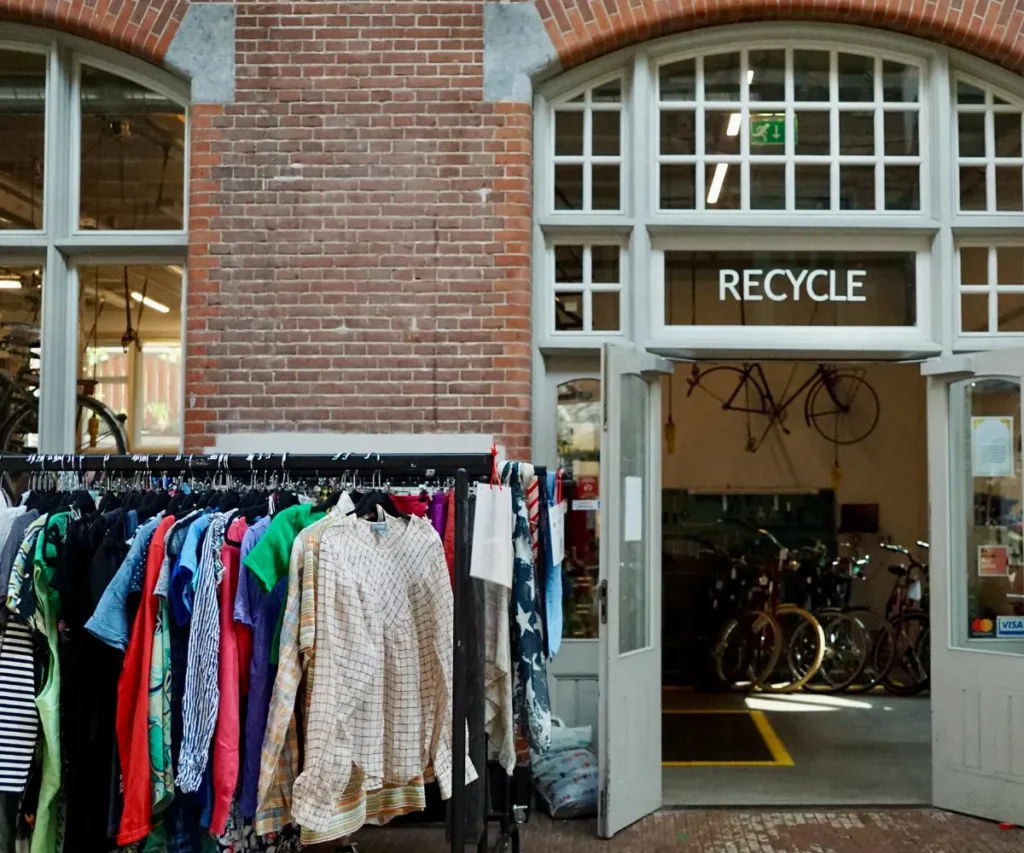
Circular fashion focuses on keeping clothing and textiles in use for as long as possible. Instead of the traditional cycle of producing, wearing, and discarding, circular systems prioritize repair, resale, reuse, and recycling.
AI supports this approach by improving decision making throughout the recycling process.
For example, accurately sorted cotton can become new yarn, while polyester can enter specialized recycling systems. Wearable garments can also be redirected toward resale or donation instead of unnecessary disposal.
As recycling technology improves, brands gain greater confidence in using recycled materials in new collections, helping create demand for recovered fibers.
The European Environment Agency explains that stronger textile collection and recycling systems are key to reducing environmental impacts.
Better Recycling and More Opportunities for Reuse
Improved sorting has benefits throughout the recycling chain.
When facilities receive cleaner, better separated materials, processing becomes more efficient and manufacturers receive recycled fibers with more consistent quality.
The results include:
- Higher recycling rates
- Less landfill waste
- Reduced demand for virgin materials
- Lower greenhouse gas emissions
- More opportunities to repurpose textiles
Items that cannot become new clothing may still be transformed into insulation, industrial materials, furniture filling, or cleaning cloths instead of being discarded.
What’s Next for AI and Sustainable Fashion
The future of AI textile recycling extends beyond sorting.
Researchers are developing systems that can identify fabric wear, fading, stretching, and structural damage before garments enter recycling facilities. Instead of recycling every item immediately, AI could determine whether clothing is better suited for repair, resale, donation, or recycling.
Future tools may even allow consumers to scan garments with smartphones to receive care advice, repair recommendations, and resale estimates before deciding to throw them away. This kind of technology encourages longer garment use while reducing unnecessary waste.
Conclusion
Fashion is evolving beyond trends. Thanks to AI textile recycling and smart fashion recycling technology, the industry is becoming more efficient at recovering valuable materials, reducing landfill waste, and supporting a circular economy.
Robotics, spectral imaging, and artificial intelligence are making textile recycling faster, more accurate, and more effective. At the same time, future AI systems that assess garment condition could help extend the life of clothing before recycling is even needed.
As women who value sustainability and thoughtful living, we can support this progress through everyday choices. Buying quality pieces, repairing clothes, donating responsibly, and choosing products made with recycled materials all contribute to a cleaner and more sustainable fashion industry. Technology is creating new possibilities, but lasting change begins with informed decisions that help keep valuable textiles in use for longer.
Bc. Michaela Šmírová