

Summer has a way of encouraging us to spend more time outside, slow our pace, and reconnect with ourselves. Yet for many women, it can also be a season filled with packed schedules, family commitments, career pressures, and the constant feeling of trying to keep everything together. Even on the sunniest days, stress has a habit of following us.
Perhaps you have noticed how different you feel after stepping into a cool lake, swimming in the sea, or ending your shower with cold water. The first few seconds can be surprising, but they are often followed by an unexpected sense of calm and clarity. It is a simple experience that many women describe as refreshing, energising, and emotionally grounding.
In recent years, the conversation around cold water therapy benefits has grown rapidly. While social media often highlights dramatic ice baths and extreme challenges, the real value of cold water lies in something much simpler. Gentle, regular exposure can support both physical and emotional wellbeing without becoming another demanding wellness trend.
Why Cold Water Can Positively Affect Mood
One of the most fascinating cold water therapy benefits is its potential to improve mood and reduce everyday stress. When cold water touches the skin, the body activates its natural stress response. Heart rate increases briefly, breathing becomes deeper, and the brain releases chemicals such as norepinephrine, which is associated with alertness, focus, and emotional regulation.
Although the initial sensation may feel uncomfortable, it is usually short lived. Many people report feeling calmer, clearer, and more energised just minutes later. Over time, regular exposure to cold water may even help the body adapt more effectively to everyday stress.
For women, these small moments of reset can become surprisingly valuable. Rather than reaching for another cup of coffee or endlessly scrolling through social media, a cool shower or refreshing swim can offer a natural way to recharge both body and mind.
To learn more about mental wellbeing, visit the World Health Organization.

Cold Therapy Trends Versus Gentle Everyday Practices
Ice baths have become one of the biggest wellness trends of recent years. Social media is filled with videos of people sitting in freezing water while talking about increased resilience and improved mental strength. Although these routines can benefit some people, they are not essential for experiencing the positive effects of cold water.
In reality, the cold showers benefits that researchers discuss are often linked to regular, manageable habits rather than extreme challenges.
Instead of focusing on dramatic routines, you could simply:
- Finish your daily shower with thirty to sixty seconds of cool water
- Swim outdoors during the summer whenever conditions are safe
- Spend a few quiet minutes beside a lake, river, or the sea
- Notice how your mood and energy change after each experience
Wellness should feel supportive, not overwhelming. A habit that comfortably fits into your weekly routine is far more likely to last than one that feels intimidating.
Why Swimming Supports Mental Health
There is something uniquely calming about being in water. Whether you enjoy swimming in the sea, a peaceful lake, or your local pool, the experience combines gentle exercise with a sense of relaxation that many other activities struggle to provide.
The growing interest in swimming for mental health reflects what countless women have experienced for years. Water naturally encourages slower breathing, steady movement, and a welcome break from digital distractions. Without constant notifications or endless to do lists competing for your attention, your mind finally has room to slow down.
Swimming also stimulates the release of endorphins while improving circulation and overall fitness. Many women notice that they sleep better after swimming regularly and feel more emotionally balanced throughout the week. Unlike some forms of exercise, swimming allows you to move at your own pace, making it feel restorative rather than competitive.
The Emotional Benefits of Being Near Water
Interestingly, you do not always need to swim to experience the calming effects of water.
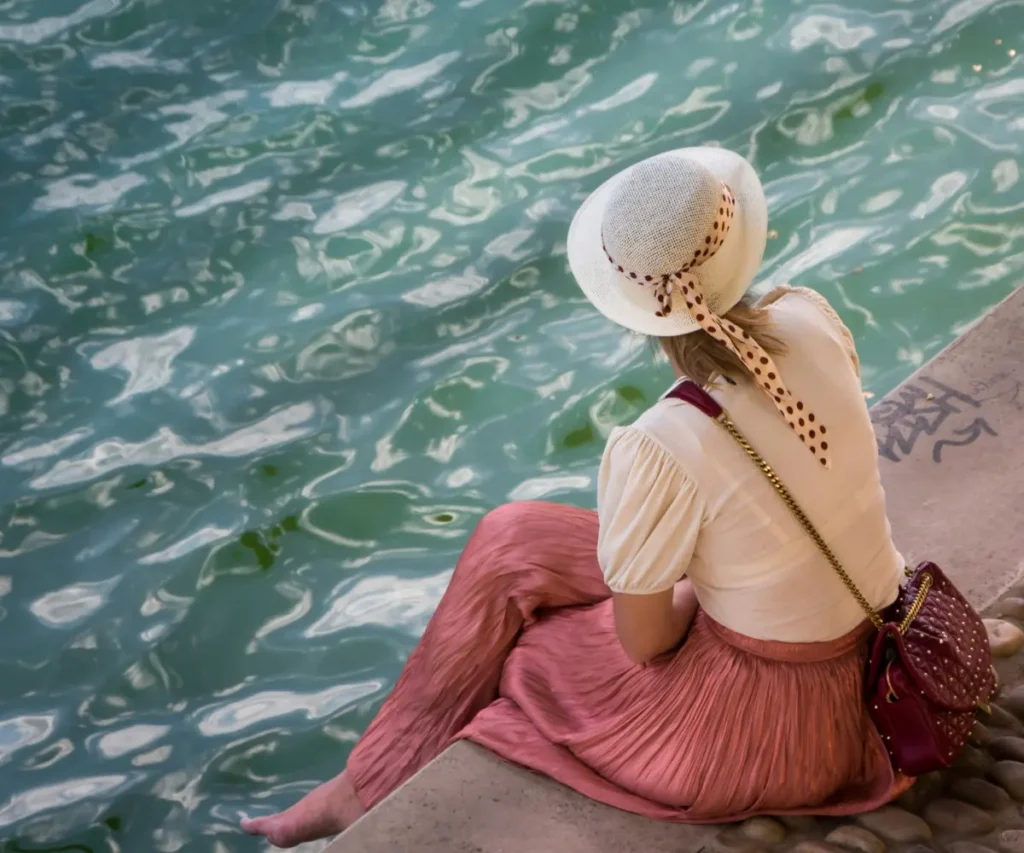
Simply sitting beside the ocean, walking along a river, or listening to gentle waves can help quiet a busy mind. Researchers often refer to these places as “blue spaces” because they are associated with improved emotional wellbeing and reduced stress.
Research also suggests that spending time in natural environments, especially near water, can help reduce stress and improve psychological wellbeing. The Mental Health Foundation shares valuable information about the relationship between nature and mental health.
Many women naturally seek these environments during summer holidays because they offer something that daily life often lacks: permission to pause. Reading a book by a lake, enjoying your morning coffee with a sea view, or taking an evening walk along the shoreline can become meaningful self-care rituals.
Even a short visit to a nearby river after work can create a noticeable shift in your mood. These simple moments remind us that caring for ourselves does not always require expensive retreats or complicated routines.
Safe Ways to Introduce Cold Water Rituals
If you are curious about exploring cold water therapy benefits, begin gradually and always pay attention to how your body responds.
Here are a few simple ways to get started:
- End your shower with thirty seconds of cool water
- Choose gentle outdoor swimming during the summer months
- Focus on slow, controlled breathing while in cool water
- Spend more time relaxing beside natural bodies of water
- Avoid cold water immersion if you have certain medical conditions unless advised by your healthcare provider
- Never swim alone in open water, and always check local safety guidance before entering
The goal is not to tolerate discomfort for as long as possible. Instead, it is to build a healthy routine that leaves you feeling refreshed, confident, and energised.
Small Habits Can Have a Lasting Impact
Many of the most effective self-care practices are surprisingly simple. They do not require expensive memberships, complicated equipment, or hours of free time. Instead, they begin with small choices that are repeated consistently.
Whether you start with cool showers, regular swimming, or simply spending more time near water this summer, these gentle habits can help you feel calmer, more resilient, and better connected to yourself.
The beauty of cold showers benefits and swimming for mental health is that they encourage both physical movement and emotional balance. As you explore these practices, pay attention to how they affect your mood, your energy levels, and your ability to handle everyday stress.
This summer, one of the most powerful acts of self-care might be far simpler than you expect. A refreshing swim, a cool shower, or a quiet moment beside the water could be exactly what your mind and body have been asking for.
Bc. Michaela Šmírová