
There is a particular kind of tiredness that sleep does not always fix. It comes from too many decisions, a demanding career, complicated relationships, endless notifications, and the quiet pressure to keep everything under control.
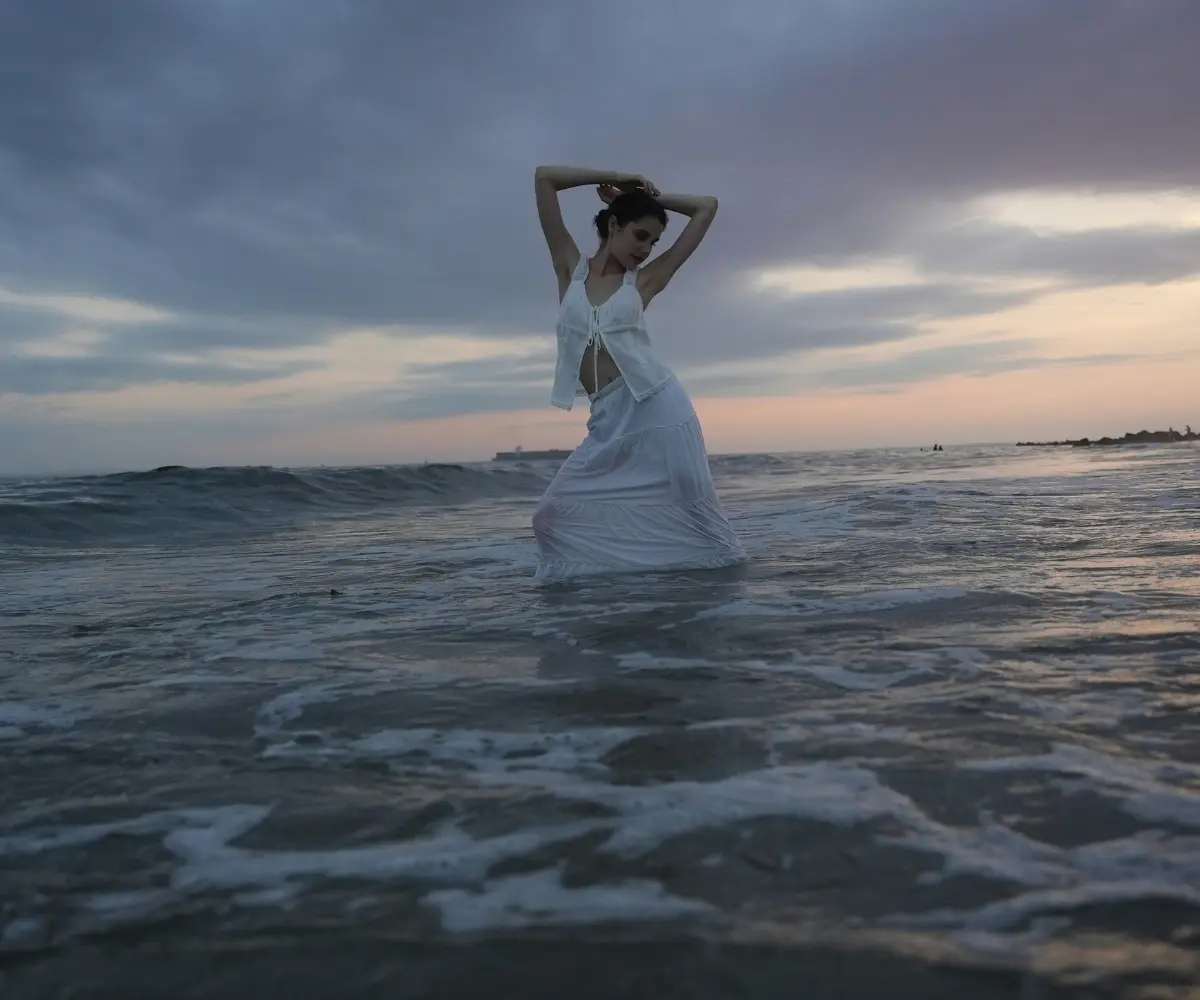
Then you spend an afternoon beside the sea, sit near a lake, or walk along a river after a difficult day. Nothing about your responsibilities has necessarily changed, yet you feel different. Your breathing slows. Your thoughts become less crowded. For a moment, you are simply there.
This instinctive sense of relief may have more to it than nostalgia or personal preference. Research into nature and mental wellbeing increasingly explores how natural environments, including bodies of water, can influence how we feel and function.

Why Water Feels So Calming
Water changes the way we experience our surroundings. Waves move in a predictable rhythm. Rivers create continuous, gentle movement. A lake gives us an open horizon without demanding our attention.
For someone who spends most of the day responding to emails, messages, deadlines, and other people’s needs, this can feel remarkably restorative.
One systematic review of research into outdoor blue spaces, including lakes, rivers, and seas, found that the balance of evidence suggested positive associations with mental health, wellbeing, and physical activity. You can explore the research in the PubMed review on outdoor blue spaces and human health.
Water also engages several senses at once. You may hear waves before you see them, feel cooler air near the shore, notice sunlight reflecting across the surface, or become aware of the rhythm of your own footsteps.
That sensory shift can encourage you to stop thinking about what comes next and become more aware of the present moment.
How Water May Help With Stress
Stress often keeps the mind focused on problems that need solving. Natural environments offer a different kind of experience. They provide space where there is nothing specific to accomplish.
The World Health Organization recognizes green and blue spaces as environments that can support relaxation, physical activity, social connection, and mental wellbeing. Its research also highlights the potential of natural environments to provide relief from everyday stress. WHO‘s overview of green and blue spaces and mental health offers a useful introduction to the evidence.
When you spend time beside water, some of the benefits may come through simple activities rather than the water itself. The pace naturally slows down. Fresh air replaces the constant pull of screens, leaving room to talk with someone you love or simply enjoy your own company.
Together, those small changes can create a meaningful pause in a busy day.
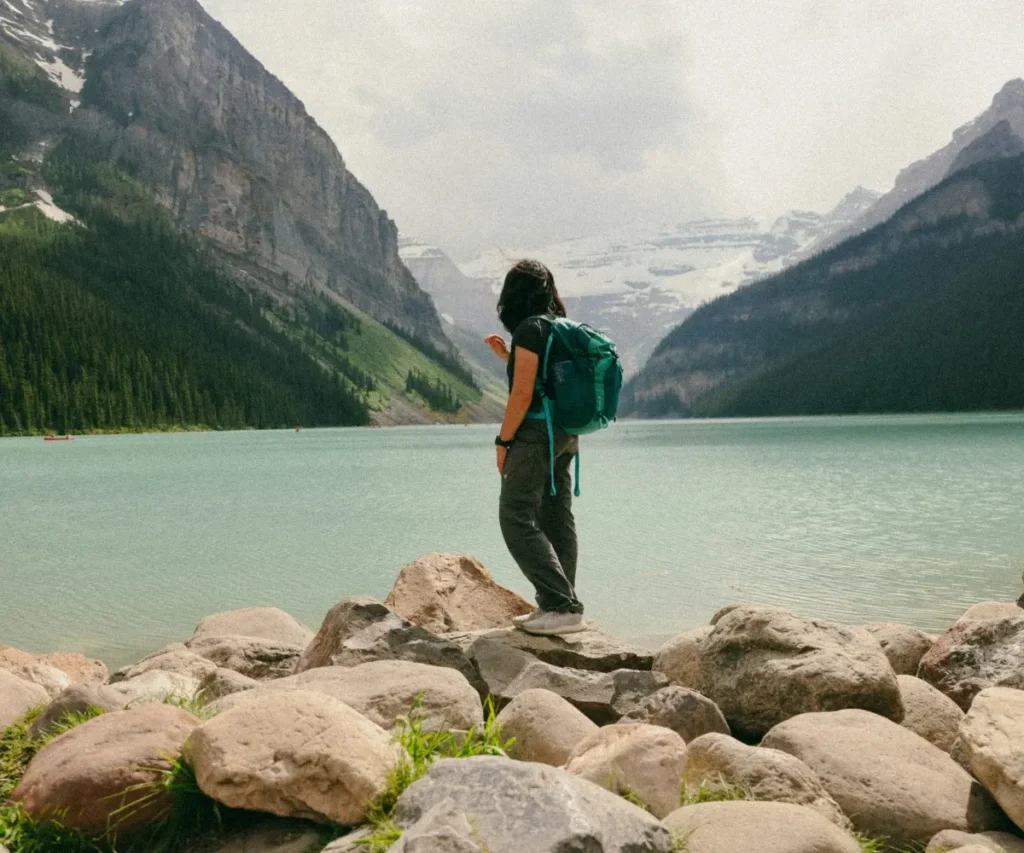
The Benefits of Being Near Water
The benefits of being near water are not necessarily dramatic. Often, they are subtle experiences that accumulate over time.
Being beside water can encourage you to:
- slow down and step away from constant stimulation
- spend more time outdoors and move your body
- create space for reflection and creativity
- reconnect with yourself after an emotionally demanding day
- experience a stronger sense of calm and perspective
Importantly, researchers do not suggest that every person will respond to every blue space in exactly the same way. The WHO notes that research findings vary and that there is no single type of natural environment that works best for everyone, everywhere.
Your own response matters too. Perhaps you feel most peaceful beside the ocean. Someone else may prefer a quiet forest lake or the sound of a river running through a city.
Water as a Symbol of Renewal
There is another reason water can feel healing: its symbolism.
For centuries, water has represented cleansing, renewal, transformation, and new beginnings. It appears in rituals, myths, literature, and spiritual traditions across cultures.
The symbolism makes intuitive sense. Water moves.Its shape is never fixed. It flows around obstacles, remaining still one moment and becoming powerful the next.
For women moving through a period of transition, this can become a comforting metaphor. Perhaps you are changing careers, leaving a relationship, becoming a mother, starting again after disappointment, or simply realizing that the person you once were no longer fits who you are becoming.
Water reminds us that change does not always require a dramatic reinvention. Sometimes it means allowing yourself to move naturally into the next chapter.
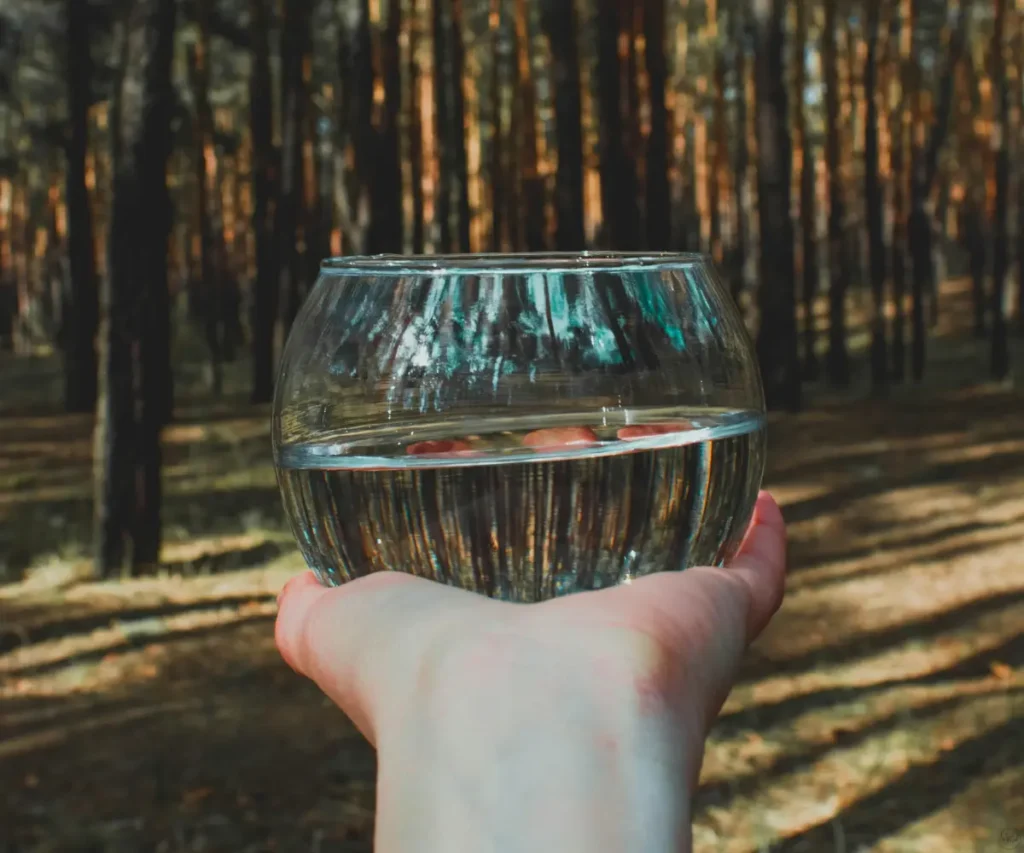
Creating Your Own Water Ritual
You do not need to live beside the ocean to experience the healing power of water.
Try creating a small ritual around water that fits naturally into your life:
- Take a 20-minute walk beside a river or lake once a week.
- Sit near the water without checking your phone.
- Listen to rainfall or ocean sounds while getting ready for bed.
- Take a mindful shower and use it as a transition between work and personal time.
- Keep a photograph of a meaningful waterside place somewhere you can see it.
- Drink your morning water slowly instead of treating it as another task to complete.
The goal is not to turn relaxation into another item on your productivity list. It is to create moments when your nervous system receives a different kind of information: there is nowhere you need to rush.
Bringing the Feeling of Water Into Everyday Life
Even when you cannot escape to a beach or lake, you can recreate some of the qualities associated with being near water.
Choose softer lighting at home. Play gentle rainfall in the background. Spend a few minutes looking through a window after a stressful meeting. Take a bath without your phone nearby. Visit a local fountain or canal during your lunch break.
These moments may seem insignificant, but self-care does not always need to be elaborate. Sometimes it is simply about creating enough space to hear yourself think.
Let Water Remind You to Keep Moving
The healing power of water is not about believing that nature can magically solve every problem. It is about recognizing that our surroundings influence how we feel, focus, rest, and reconnect with ourselves.
So the next time life feels overwhelmingly busy, look for water.
Walk beside the river. Sit near the lake. Watch the sea.
You do not have to solve everything at that moment. You only have to pause, breathe, and allow yourself to be reminded of something water has always understood: you can be still and still be moving forward.
Bc. Michaela Šmírová