
There is a particular kind of frustration that comes from opening a wardrobe full of clothes and still feeling like you have nothing to wear. Maybe there is a dress you bought for one occasion, a trend that looked perfect online but never felt quite right, and several inexpensive pieces that have somehow lost their shape after a few washes.
For many women, life is already full enough. Careers, relationships, family, friendships, health, and personal goals all compete for attention. Constantly keeping up with fashion can start to feel less like self-expression and more like another responsibility.
That is one reason mindful fashion is gaining momentum. Instead of asking, “What should I buy next?” more women are asking, “Will this actually add something to my life?”
What Buy Less Buy Better Really Means
The buy less buy better philosophy is not about owning a perfectly minimalist wardrobe or refusing to enjoy fashion. It is about becoming more intentional about what comes through the front door.
Rather than purchasing several inexpensive items because they are fashionable right now, the idea is to choose fewer pieces that offer quality, versatility, comfort, and longevity.
This approach is closely connected to the principles of slow fashion, which places greater emphasis on durability, thoughtful production, and longer product lifespans. The Ellen MacArthur Foundation‘s overview of fashion and the circular economy explores how greater durability, clothing care, resale, rental, and reuse can help keep garments in use for longer.
The result is a shift from quantity to value. Your wardrobe becomes less about having more options and more about having the right options.
Why Minimalist Shopping Is Becoming More Popular
Minimalist shopping appeals because it solves a surprisingly modern problem: decision fatigue.
When every season introduces dozens of micro-trends, it can be difficult to know what genuinely suits you. Social media adds another layer, constantly presenting new outfits, “must-have” pieces, and shopping recommendations.
A more restrained approach creates breathing room.
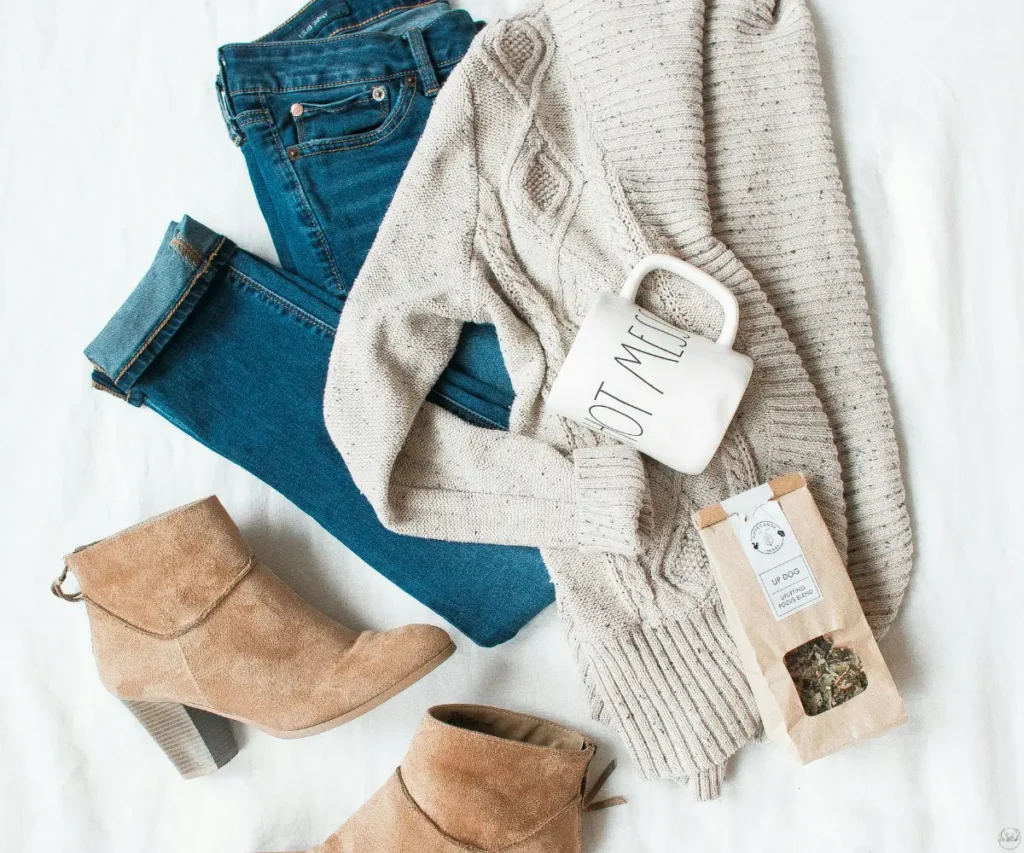
Imagine having a wardrobe built around trousers you genuinely love wearing, a well-cut blazer, reliable knitwear, a few beautiful tops, and dresses that work for both everyday plans and special occasions. Getting dressed becomes easier because you know what works for you.
There is also a growing desire to make purchases that feel aligned with personal values. The UN Environment Programme‘s work on sustainable and circular textiles highlights overproduction and overconsumption as important challenges for the fashion and textile sector, while promoting more circular approaches.
Minimalist shopping does not mean boring shopping. In many cases, it means becoming more selective about what deserves your attention and money.

How Buying Less Can Save You More
It is easy to assume that a cheaper item automatically saves money. But price alone does not tell the whole story.
Consider a cheap top that you wear three times before it loses its shape. Now compare it with an expensive top that you wear regularly for several years. The second purchase costs more initially, but its cost per wear may eventually be much lower.
This is where intentional shopping changes the conversation.
Before buying something, ask yourself:
- How often am I realistically going to wear this?
- Can I style it with clothes I already own?
- Does it fit my lifestyle?
- Would I still want it if it were not currently trending?
- Is the quality appropriate for the price?
These questions interrupt impulse buying. Over time, they can help you redirect money away from forgotten purchases and toward pieces you genuinely value.
The Emotional Benefits of Owning Less
There is something deeply satisfying about a wardrobe that feels manageable.
Owning fewer clothes can reduce the visual clutter that often contributes to everyday overwhelm. Instead of sorting through dozens of possibilities, you see pieces that you actually enjoy wearing.
There is also a psychological difference between buying something because you feel pressured to keep up and buying something because it reflects who you are.
A thoughtful wardrobe can reinforce a sense of personal identity. Perhaps your style is polished and understated. Perhaps you love feminine silhouettes, neutral colours, or expressive accessories. When you stop constantly replacing your aesthetic with the latest trend, your personal style has room to become clearer.
Less can create a feeling of control, especially during periods of life when so many other things feel unpredictable.
Building Your Own Slow Fashion Wardrobe
You do not need to replace your entire wardrobe overnight. In fact, that would rather defeat the purpose.
Start by spending time with what you already own.
- Notice What You Actually Wear
Look at the pieces you reach for repeatedly. These are clues about your real lifestyle, not the imaginary version of yourself that occasionally appears while online shopping.
- Identify Your Wardrobe Gaps
Instead of buying whatever catches your eye, write down the pieces you genuinely need. Perhaps you need comfortable work trousers or a versatile jacket rather than another statement blouse.
- Introduce a Waiting Period
For non-essential purchases, wait a few days before buying. If you still want the item after the initial excitement fades, reconsider it. If you have forgotten about it, you probably did not need it.
- Prioritize Fabric, Construction and Fit
Look beyond the label. Pay attention to stitching, fabric composition, finishing, and how the garment fits your body. A beautiful piece that feels uncomfortable will rarely become a wardrobe favourite.
- Repair Before Replacing
A missing button, loose seam, or small tear does not necessarily mean a garment has reached the end of its life. Simple repairs can extend the useful life of clothing and strengthen your relationship with what you own.
A More Intentional Way to Think About Style
Mindful fashion ultimately asks us to change the question.
Instead of asking, “How can I keep up?” ask, “What makes me feel like myself?”
Fashion can still be creative, feminine, playful, and exciting without requiring constant consumption. Buy less buy better is not about deprivation. It is about making space for clothes that genuinely earn their place in your life.
A thoughtful slow fashion wardrobe may contain fewer pieces, but each one can carry more meaning, more versatility, and more staying power.
The next time you feel tempted by a new trend, pause before reaching for your card. Look at your wardrobe. Think about your lifestyle. Consider what you already own and what you truly need.
Sometimes, the most stylish choice is not adding something new. It is learning to appreciate what is already enough.
Bc. Michaela Šmírová